Author name: Species360

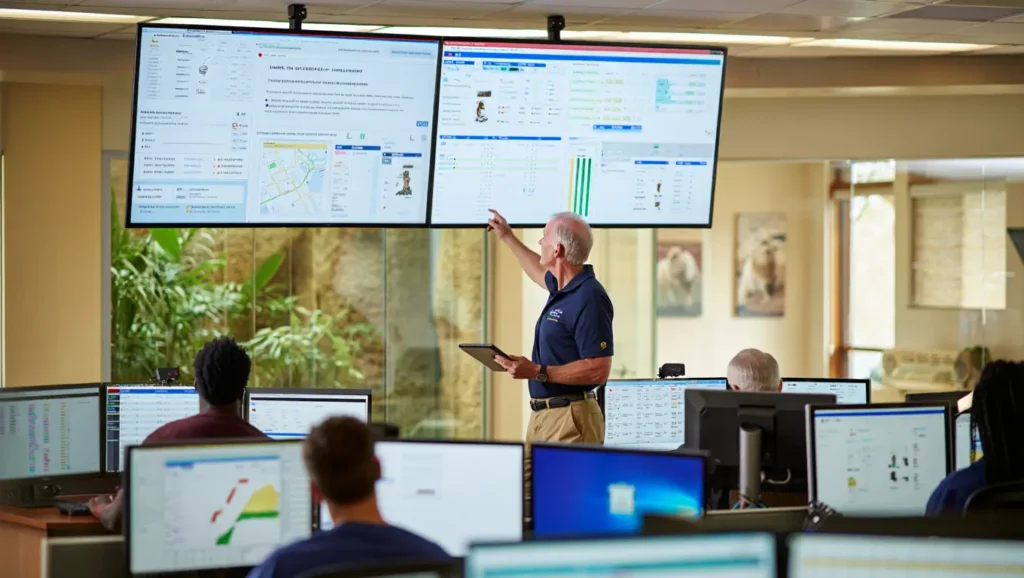
Managing Genetic Diversity Using Zoological Information Management Systems

Blog / Genetic diversity is the difference between a population that survives and one that slowly collapses. For institutions managing animals under human care, maintaining genetic health is not a secondary objective. It is central to conservation credibility, cooperative programme stability, and long-term species viability. In small or managed populations, genetic erosion happens quietly. Inbreeding […]

Managing Genetic Diversity Using Zoological Information Management Systems Read More »

How Zoological Information Management Systems Align Zoos With WAZA, AZA, ALPZA, EAZA, SEAZA Standards

Blog / Accreditation within the global zoo and aquarium sector is not symbolic. It is structural validation that an institution meets internationally recognised standards for animal welfare, population management, governance, and transparency. For organisations operating under national, regional and/or international zoo and aquarium association frameworks like those of the World Association of Zoos and Aquariums

How Zoological Information Management Systems Align Zoos With WAZA, AZA, ALPZA, EAZA, SEAZA Standards Read More »

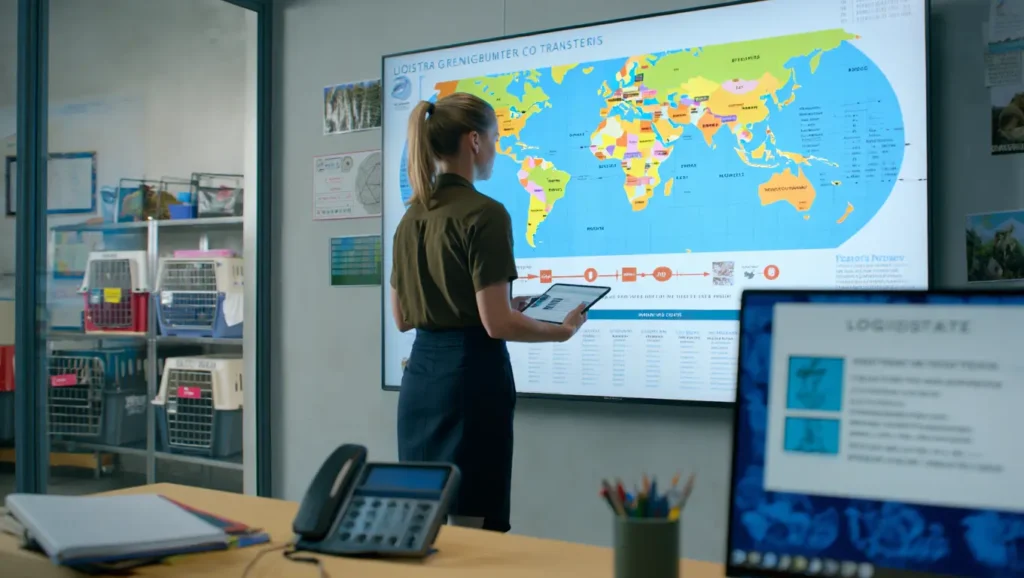
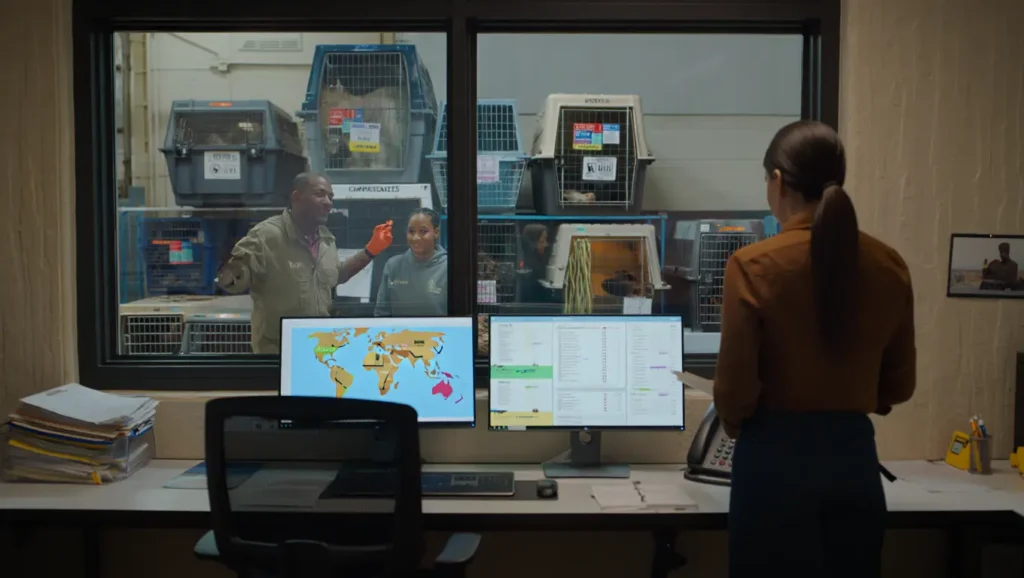
The Role of Zoological Information Management Systems in International Animal Transfers

Blog / International animal transfers sit at the intersection of conservation strategy, regulatory compliance, logistics, veterinary oversight, and institutional reputation. They are rarely simple. Each transfer requires coordination across jurisdictions, agencies, health authorities, and cooperative breeding programmes. Every document must align. Every medical record must be complete. Every lineage detail must be correct. When the

The Role of Zoological Information Management Systems in International Animal Transfers Read More »

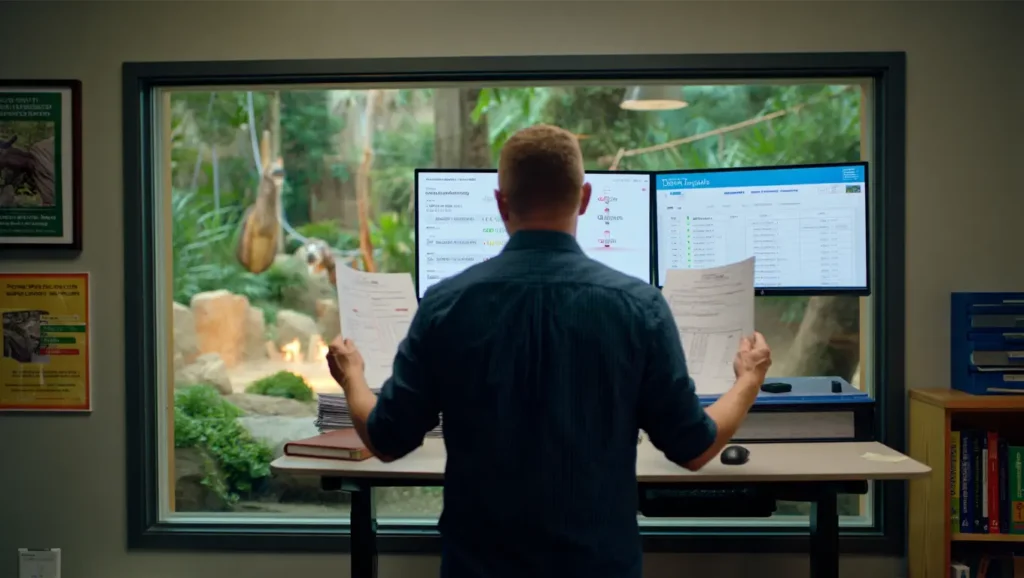
Using Zoological Information Management Systems for Studbook and Pedigree Accuracy

Blog / Studbook accuracy is the quiet backbone of ex situ conservation. It does not generate headlines, but it determines whether breeding programmes succeed or fail over decades. When lineage data is flawed, genetic strategy collapses. When pedigree history is incomplete, population management decisions become guesswork. For directors overseeing cooperative breeding programmes, studbook integrity is

Using Zoological Information Management Systems for Studbook and Pedigree Accuracy Read More »

How Zoological Information Management Systems Support Global Species Databases

Blog / Modern wildlife conservation is increasingly data-driven. Institutions responsible for animals under human care generate vast volumes of information daily, including medical records, husbandry logs, behavioural observations, lineage updates, transfers, and regulatory documentation. Individually, these records support local operational management. Collectively, when structured and aggregated, they form the backbone of global species databases. The

How Zoological Information Management Systems Support Global Species Databases Read More »

Case Study: How ZIMS for Aquatics Improves Health and Breeding Outcomes

Blog / Health and breeding outcomes are central measures of success for aquariums involved in conservation and long-term species management. Achieving positive outcomes depends on more than expertise and experience alone. It requires accurate information, shared understanding, and the ability to learn from past decisions. This case study explores how digital information management supports better

Case Study: How ZIMS for Aquatics Improves Health and Breeding Outcomes Read More »

From Tanks to Tablets: How Digital Records Are Improving Aquatic Animal Care

Blog / Aquatic animal care has always relied on close observation, specialist knowledge, and careful record keeping. For decades, much of that information lived in notebooks, binders, whiteboards, or disconnected spreadsheets. While these methods reflected the realities of their time, they also limited how information could be shared, analysed, and preserved. As aquariums take on

From Tanks to Tablets: How Digital Records Are Improving Aquatic Animal Care Read More »

Aquarium

Why Data Matters in Conservation: Key Lessons from Aquatic Species Management

Blog / Straslund Aquarium. Image credit: Uljana Kalazny Conservation is built on understanding. For aquatic species, that understanding depends heavily on data collected over time, across institutions, and through changing environmental conditions. Aquariums play a vital role in conservation by caring for species, contributing to research, and supporting population sustainability. At the centre of this

Why Data Matters in Conservation: Key Lessons from Aquatic Species Management Read More »

The 5 Biggest Challenges in Aquatic Species Management and How ZIMS Solves Them

Blog / Aquatic species management is one of the most complex areas of zoological care. Aquariums are responsible for maintaining healthy populations, supporting research, and contributing to conservation, all while managing animals that often live in groups, move between life stages, and respond quickly to environmental change. These realities place significant demands on how information

The 5 Biggest Challenges in Aquatic Species Management and How ZIMS Solves Them Read More »

How ZIMS for Aquatics Is Transforming Aquarium Animal Care

Blog / Aquariums play a vital role in caring for aquatic species, supporting conservation, and advancing scientific understanding. Managing this responsibility depends on access to accurate, consistent, and long-term animal information. ZIMS for Aquatics supports aquarium animal care by providing a structured way to record, manage, and interpret aquatic animal data across institutions and over

How ZIMS for Aquatics Is Transforming Aquarium Animal Care Read More »