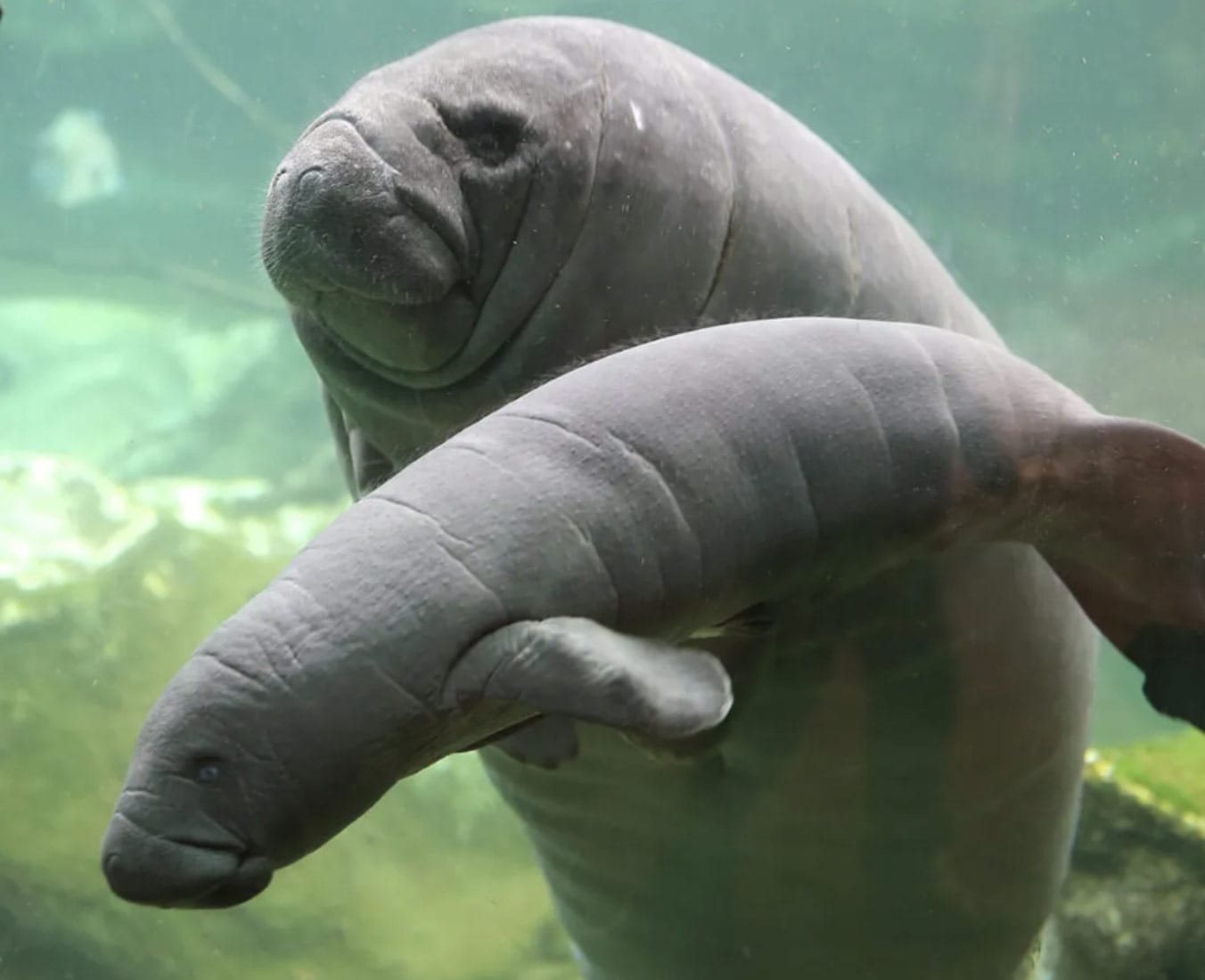
How ZIMS for Aquatics Is Transforming Aquarium Animal Care
- By Species360
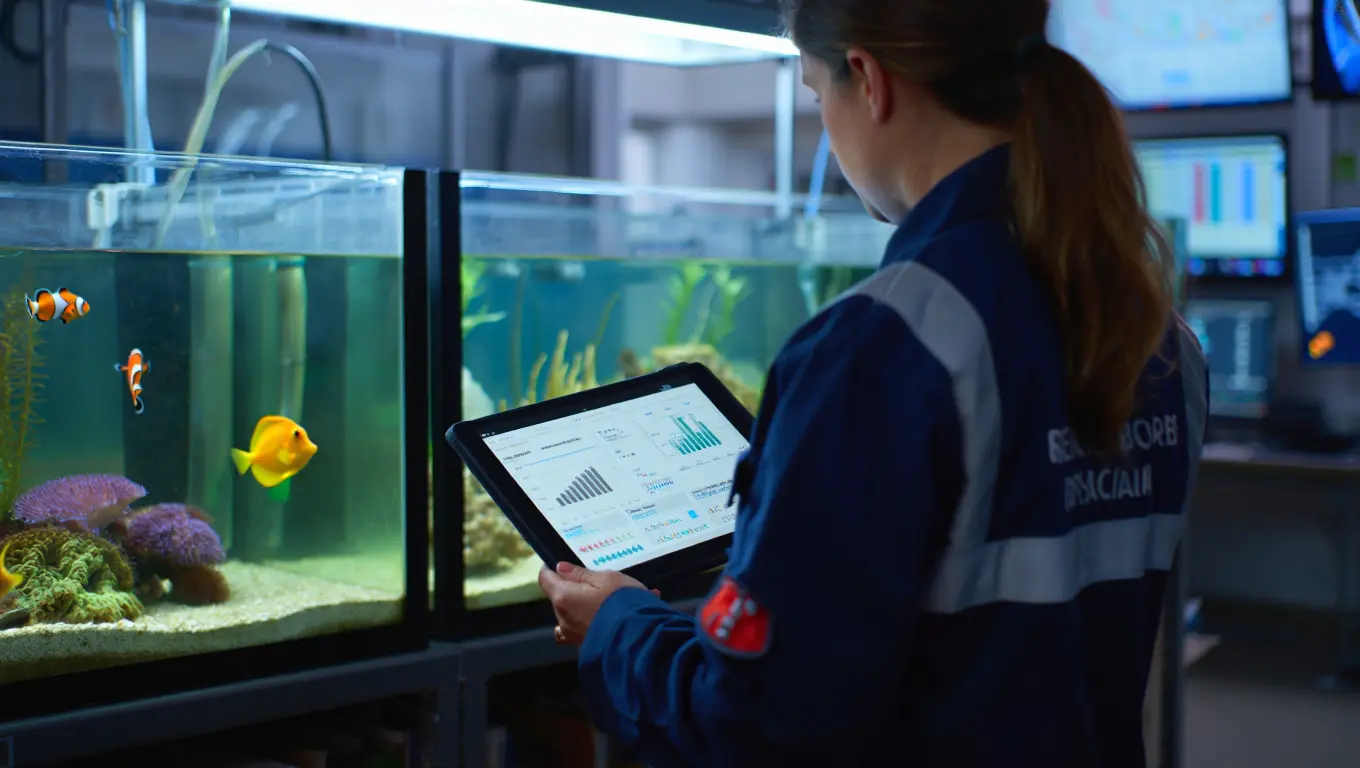
Aquariums play a vital role in caring for aquatic species, supporting conservation, and advancing scientific understanding. Managing this responsibility depends on access to accurate, consistent, and long-term animal information. ZIMS for Aquatics supports aquarium animal care by providing a structured way to record, manage, and interpret aquatic animal data across institutions and over time.
Unlike many terrestrial collections, aquariums manage species with complex life histories, group-based populations, and environments that change continuously. These factors make information management essential. ZIMS for Aquatics helps aquariums move beyond fragmented records by creating a shared framework that supports animal care, population planning, research, and collaboration across the global aquarium community.
Understanding the Complexity of Aquarium Animal Care
Aquatic animal care presents challenges that are distinct from other zoological settings. Many species are held in groups rather than as individually identifiable animals, and population numbers can change rapidly due to breeding events or environmental factors.
Aquariums must manage information related to:
- Group and individual records
- Life stages such as larval, juvenile, and adult phases
- Breeding and spawning events
- Environmental influences on health and behaviour
Without a system designed for these realities, critical knowledge can become fragmented or lost. ZIMS for Aquatics is designed to reflect how aquariums actually manage animals, making it easier to maintain accurate and meaningful records.
What Is ZIMS for Aquatics?
ZIMS for Aquatics is part of the Zoological Information Management System developed by Species360. It is a web-based system created to meet the specific data management needs of aquariums and aquatic institutions.
The system enables aquariums to maintain detailed animal records while contributing to a shared global dataset. This approach supports both local animal care and broader collaboration across institutions working with aquatic species.
Designed for Aquatic Species and Systems
Aquatic species often have unique reproductive strategies and complex biological requirements. ZIMS for Aquatics supports these needs by allowing institutions to record information at both the individual and group level.
This includes tracking:
- Population changes within exhibits
- Reproductive outcomes and survival rates
- Transfers between institutions
- Long-term trends in animal health and longevity
By capturing this information consistently, aquariums gain a clearer understanding of their collections.
Improving Daily Aquarium Operations
Reliable data supports better daily decision-making. Animal care staff rely on accurate records to understand past treatments, behavioural changes, and environmental conditions that affect welfare.
ZIMS for Aquatics supports daily operations by centralising animal information in one accessible system. This reduces reliance on disconnected spreadsheets, handwritten logs, or institutional memory.
Benefits for daily care teams include:
- Faster access to accurate animal histories
- Improved communication between departments
- Reduced duplication of record keeping
- Greater consistency across staff and shifts
When information is easier to access and understand, animal care becomes more informed and consistent.
Supporting Health and Welfare Monitoring
Health observations and veterinary records are essential components of aquarium animal care. ZIMS for Aquatics allows health-related information to be recorded alongside biological and demographic data.
This integrated view helps institutions recognise patterns over time and supports informed decisions about care, treatment, and environmental management.
Population Management in Aquariums
Population management is central to responsible aquarium operations. Understanding how populations change over time supports sustainability, welfare, and institutional planning.
ZIMS for Aquatics enables aquariums to:
- Track births, deaths, and group size changes
- Understand population structure within exhibits
- Maintain historical context for long-lived species
- Support coordinated planning with other institutions
These capabilities are especially important for species managed through cooperative programmes or long-term collection plans.
Linking Individual and Group Records
Even when animals are managed in groups, individual-level data remains important. ZIMS for Aquatics links individual records to group-level insights, allowing aquariums to understand both population trends and individual outcomes.
This layered approach supports better long-term planning and analysis.
Collaboration and Data Sharing Across Institutions
Aquariums often work together to manage species across regions and countries. Effective collaboration depends on shared information that is consistent and reliable.
ZIMS for Aquatics supports secure data sharing between member institutions. This shared framework allows aquariums to contribute to collective knowledge while maintaining appropriate data governance.
This layered approach supports better long-term planning and analysis.
Building Global Knowledge About Aquatic Species
When aquariums contribute data to a shared system, they support a broader understanding of aquatic species biology and management. Over time, this shared information benefits research, conservation, and animal care practices worldwide.
Collective data also reduces duplication of effort and strengthens collaboration across the sector.
Supporting Research and Education
Aquariums are centres for learning and research as well as animal care. High-quality data underpins both activities. ZIMS for Aquatics provides structured records that support internal research projects and external collaborations.
Researchers benefit from access to long-term datasets that reflect real-world animal management. Educators benefit from accurate information that supports interpretation, training, and knowledge sharing.
Preserving Institutional Knowledge
Staff changes are inevitable, but institutional knowledge should not be lost. ZIMS for Aquatics preserves animal records over time, ensuring that valuable information remains available to future staff, researchers, and partners.
This continuity strengthens organisational resilience and supports long-term goals.
Standardisation and Data Quality
Consistency is essential when managing complex animal data. ZIMS for Aquatics applies shared standards for terminology, formats, and record structures.
Standardisation supports:
- Clear communication across institutions
- Reliable comparison of data
- Reduced errors in record keeping
- Stronger foundations for analysis and reporting
High-quality data benefits individual aquariums and the wider aquatic community.
Integrating ZIMS for Aquatics Into Aquarium Workflows
Every aquarium operates differently. ZIMS for Aquatics is designed to integrate into a wide range of operational models without disrupting daily animal care.
Institutions can adapt how they use the system based on collection size, staffing, and internal processes. This flexibility supports adoption across diverse aquarium environments.
Training and Long-Term Use
Effective use of any information system depends on training and ongoing support. Species360 provides resources that support consistent use of ZIMS for Aquatics over time.
This focus on sustained engagement helps ensure that data remains accurate and valuable long after implementation.
Why ZIMS for Aquatics Matters for the Future
Expectations around animal welfare, transparency, and collaboration continue to grow. Aquariums are increasingly asked to demonstrate evidence-based decision-making and responsible population management.
ZIMS for Aquatics supports these expectations by providing a reliable foundation for managing aquatic animal data. It helps institutions understand their collections, collaborate with peers, and contribute to shared conservation knowledge.
Moving Toward More Connected Aquarium Care
The future of aquarium animal care depends on information that is accurate, accessible, and shared responsibly. ZIMS for Aquatics supports this future by connecting people and data through a common system.
Aquariums using ZIMS for Aquatics are better positioned to plan for the long term, strengthen collaboration, and contribute to global understanding of aquatic species. Institutions interested in learning more about how Species360 supports aquatic data management can connect directly through here.

Effective conservation does not occur in isolation; it thrives through collaboration. Partnering with Species360 to aggregate global data on reproductive patterns and population dynamics is crucial for evidence-based conservation and the long-term sustainability of managed populations across institutions, maximizing global impact.
Maria Franke, Director, Applied Conservation, Toronto Zoo