From Tanks to Tablets: How Digital Records Are Improving Aquatic Animal Care
- By Species360
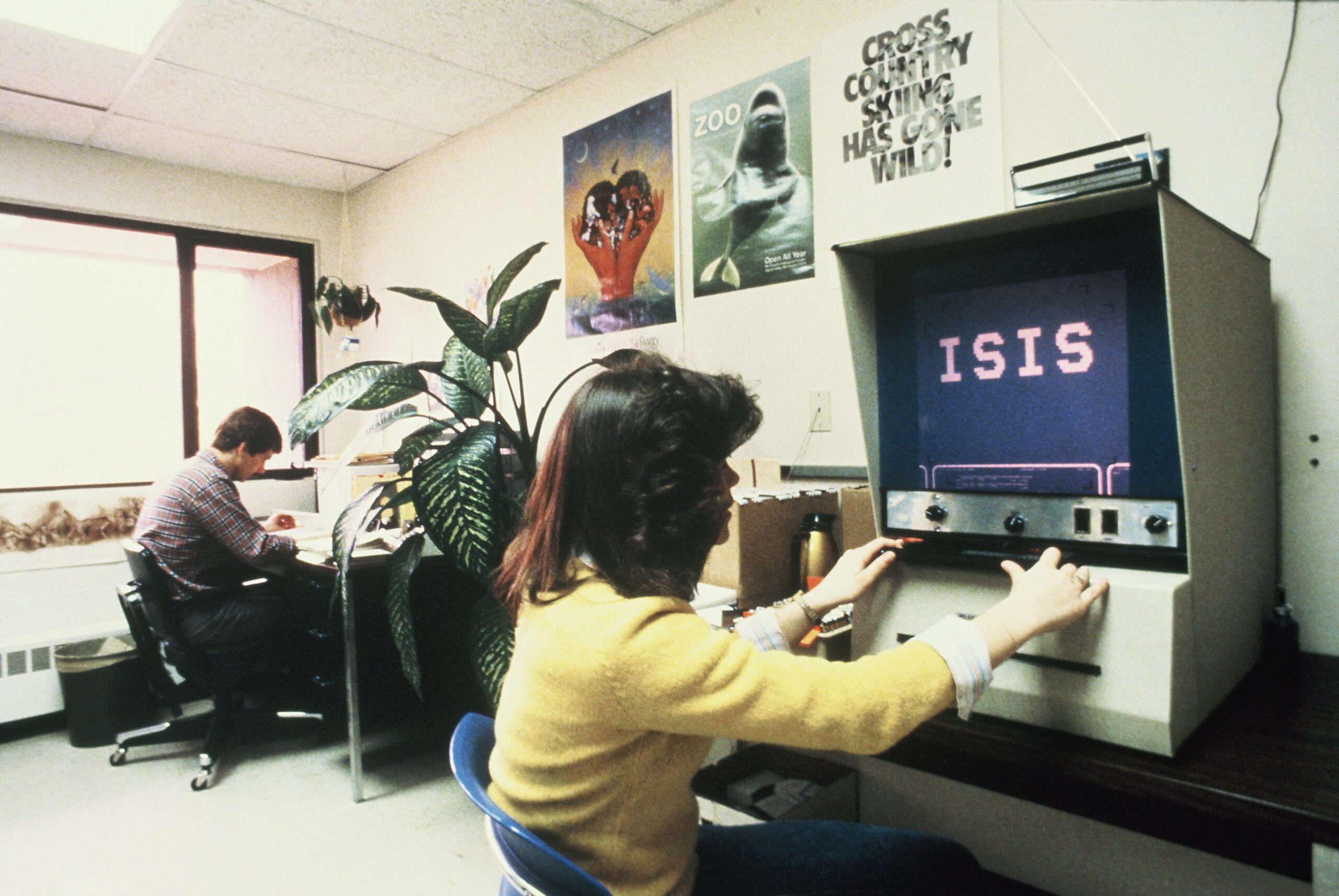
Aquatic animal care has always relied on close observation, specialist knowledge, and careful record keeping. For decades, much of that information lived in notebooks, binders, whiteboards, or disconnected spreadsheets. While these methods reflected the realities of their time, they also limited how information could be shared, analysed, and preserved. As aquariums take on increasingly complex roles in conservation, education, and research, the shift from paper-based records to digital systems has become a critical step forward.
Digital record-keeping is changing how aquariums understand their animals and their collections. By moving information from tankside notes to structured digital platforms, institutions are strengthening daily care, long-term planning, and collaboration. Systems such as ZIMS for Aquatics illustrate how digital records support better outcomes for aquatic species and the people responsible for their care.
The Limitations of Traditional Record-Keeping
Paper records and informal systems once served as the backbone of aquarium operations. While familiar and flexible, they also introduced challenges that became more apparent as collections grew and expectations increased.
Common limitations included:
- Information stored in multiple locations
- Inconsistent terminology between teams
- Difficulty accessing historical records
- Reliance on individual memory or experience
These challenges made it harder to build a complete picture of animal history and population trends. As aquariums expanded their conservation roles, the need for more reliable systems became clear.
The Shift Toward Digital Animal Records
Digital records offer a structured way to capture, store, and retrieve information over time. For aquariums, this shift represents more than convenience. It changes how animal data is used and understood.
Digital systems allow institutions to:
- Centralise animal information
- Improve accuracy and consistency
- Preserve records over long timeframes
- Support collaboration across teams
This transition supports both immediate animal care and long-term conservation goals.
From Individual Notes to Shared Knowledge
When records move into a shared digital system, information becomes accessible beyond individual roles. Keepers, veterinarians, curators, and managers can work from the same dataset, supporting more coordinated decision-making.
Improving Daily Care Through Digital Access
Daily animal care depends on knowing what has happened before. Feeding histories, health observations, environmental changes, and behavioural notes all inform current decisions.
Digital records improve daily care by providing:
- Quick access to complete animal histories
- Reduced duplication of data entry
- Clear communication across shifts
- Consistency in how information is recorded
When staff can trust the information they see, care decisions become more informed and consistent.
Supporting Responsive Care Decisions
Aquatic environments can change quickly. Digital records allow staff to review trends and recent observations efficiently, supporting timely responses to changes in animal health or behaviour.
Managing Group and Population Records Digitally
Many aquatic species are managed in groups rather than as individually identifiable animals. Digital systems must reflect this reality to be effective.
ZIMS for Aquatics supports both group-level and individual-level records, allowing aquariums to track population size, structure, and change over time. This flexibility supports accurate population management without oversimplifying complex dynamics.
Understanding Change Over Time
Digital records make it easier to analyse population trends across months or years. This long-term perspective supports sustainable management and more informed planning.
Supporting Long-Term Conservation Goals
Conservation work often unfolds over decades. Digital records preserve information across generations of staff and animals, ensuring that knowledge is not lost.
Long-term digital data supports:
- Conservation breeding decisions
- Population sustainability planning
- Research into species biology
- Evaluation of management strategies
By maintaining continuity, aquariums can build on past experience rather than starting from scratch.
Collaboration Enabled by Digital Systems
Aquatic species are often managed cooperatively across institutions. Digital records make collaboration more practical by supporting consistent data sharing.
When institutions use shared systems, information becomes easier to compare and interpret. This shared understanding strengthens cooperative population management and research efforts.
Building Collective Insight
Shared digital records allow institutions to contribute to a broader body of knowledge. Over time, this collective insight supports better outcomes for aquatic species across regions and programmes.
Standardisation as a Benefit of Digital Records
Digital systems encourage standardised data entry. Shared terminology and formats reduce ambiguity and improve data quality.
Standardisation supports:
- Clearer communication between institutions
- More reliable analysis
- Easier reporting for programmes and studies
- Greater confidence in shared information
For aquariums, these benefits translate into stronger foundations for decision-making.
Reducing Risk and Preserving Knowledge
Paper records are vulnerable to loss, damage, or misinterpretation. Digital records reduce these risks by providing secure storage and controlled access.
Preserving knowledge digitally ensures that valuable information remains available even as staff roles change. This continuity supports stable care practices and long-term planning.
Supporting Training and Onboarding
New staff benefit from access to clear, complete records. Digital systems support learning by providing context and history that may not be captured through verbal handover alone.
Integrating Digital Records Into Aquarium Workflows
Successful digital systems fit into existing workflows rather than disrupting them. ZIMS for Aquatics is designed to align with aquarium operations, supporting gradual adoption and consistent use.
Institutions can adapt how they use digital records based on collection size, staffing, and operational priorities. This flexibility supports meaningful integration rather than forced change.
The Role of Species360 in Digital Information Management
Species360 supports aquariums by providing systems that prioritise shared data, collaboration, and long-term insight. Through its global network, Species360 enables institutions to connect local animal care with broader conservation goals.
By supporting digital record keeping, Species360 helps aquariums strengthen their role in conservation and research.
Lessons From the Digital Transition
The move from paper to digital records highlights several important lessons for aquatic animal care:
- Information gains value when it is shared
- Consistency supports long-term understanding
- Technology enables collaboration at scale
- Data continuity strengthens conservation outcomes
These lessons extend beyond aquariums and reflect broader trends in conservation management.
Looking Ahead: Digital Foundations for Future Care
As aquariums face growing expectations around transparency, welfare, and collaboration, digital records provide essential support. They allow institutions to demonstrate evidence-led decision-making and long-term commitment to species care.
Digital systems such as ZIMS for Aquatics help aquariums move confidently into the future, equipped with reliable information and shared understanding.
From Records to Better Outcomes
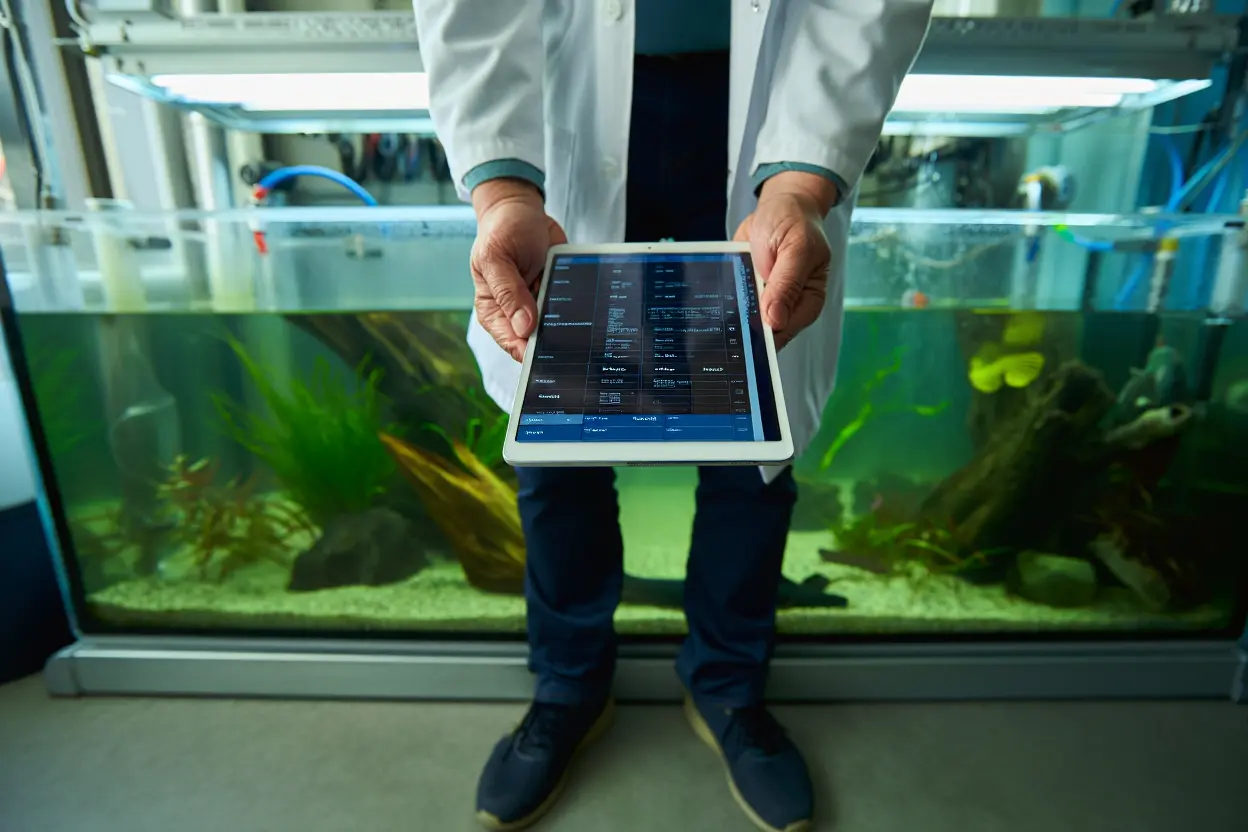
The shift from tankside notes to tablets is more than a technological change. It represents a new way of working with information that benefits animals, staff, and institutions alike.
By embracing digital records, aquariums strengthen their ability to care for aquatic species, contribute to conservation knowledge, and collaborate effectively. Institutions interested in learning more about how Species360 supports this work can find further details by visiting our Contact page.

Effective conservation does not occur in isolation; it thrives through collaboration. Partnering with Species360 to aggregate global data on reproductive patterns and population dynamics is crucial for evidence-based conservation and the long-term sustainability of managed populations across institutions, maximizing global impact.
Maria Franke, Director, Applied Conservation, Toronto Zoo