The Role of Zoological Information Management Systems in International Animal Transfers
- By Species360
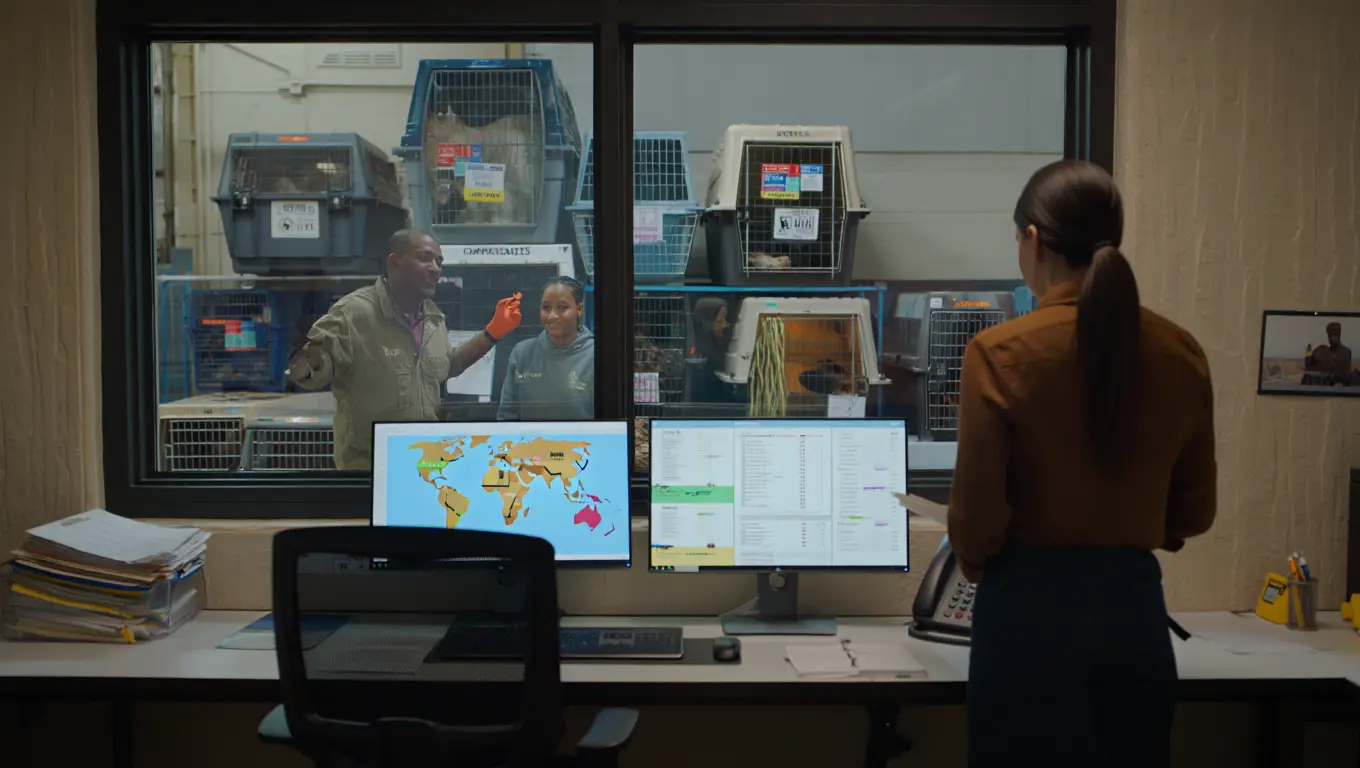
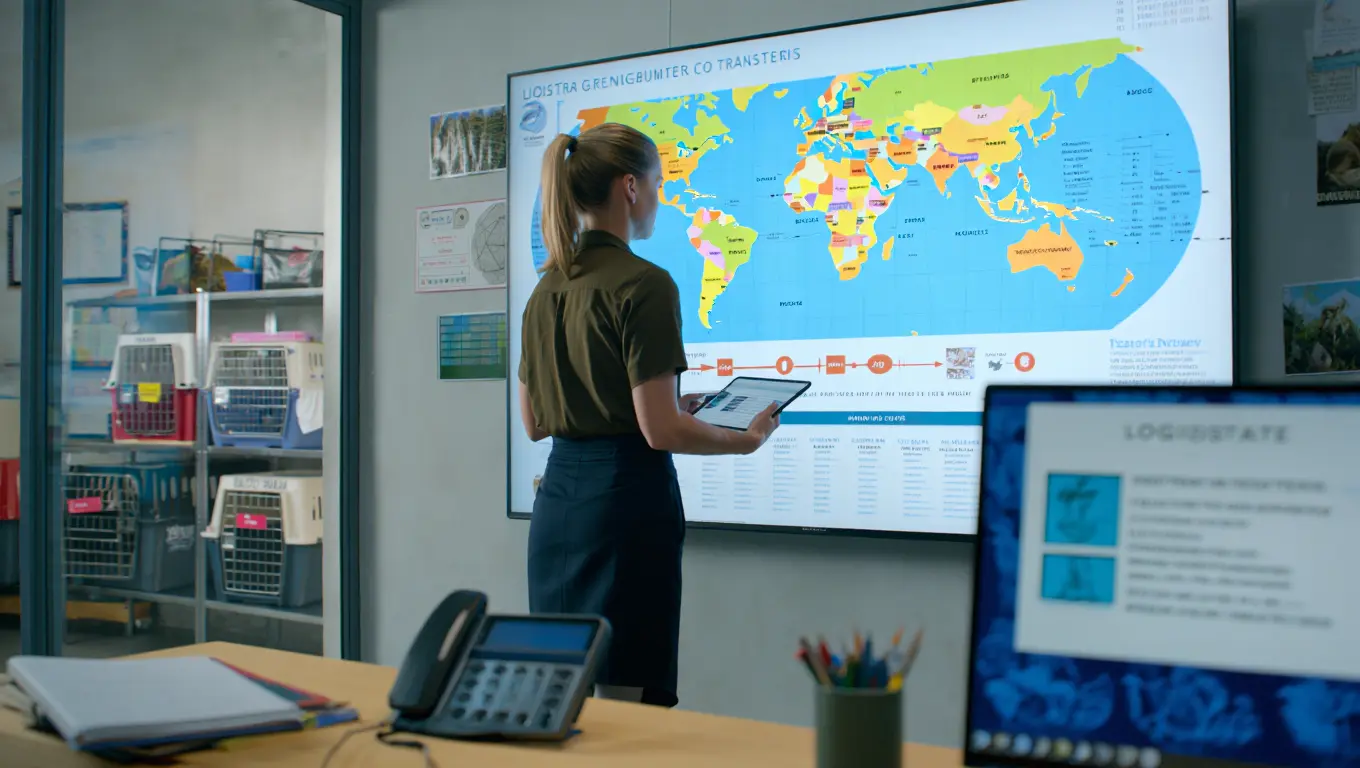
International animal transfers sit at the intersection of conservation strategy, regulatory compliance, logistics, veterinary oversight, and institutional reputation. They are rarely simple. Each transfer requires coordination across jurisdictions, agencies, health authorities, and cooperative breeding programmes. Every document must align. Every medical record must be complete. Every lineage detail must be correct.
When the underlying data infrastructure is fragmented, transfers become slower, riskier, and more expensive. When the data infrastructure is structured, standardised, and globally interoperable, transfers become predictable and defensible.
A Zoological Information Management System plays a central role in determining which side of that equation an institution operates on.
Why International Transfers Are Strategically Sensitive
Animal transfers are rarely transactional. They often serve one of several high-impact objectives:
- Genetic diversification within a managed population
- Foundational stock development for new facilities
- Participation in regional breeding programmes
- Conservation rescue or repatriation initiatives
- Regulatory redistribution requirements
Because these transfers influence long-term population viability, the administrative and compliance environment surrounding them is rigorous.
A single documentation inconsistency can delay permits, trigger additional health inspections, or compromise regulatory approval. The operational burden of resolving such issues often falls on registrars and veterinary teams already operating under tight timelines.
Structured data governance reduces that exposure.
The Documentation Burden of Cross-Border Movement
International transfers require coordination across multiple documentation layers:
- Individual animal identification and microchip records
- Complete medical history
- Vaccination and diagnostic testing logs
- Studbook and lineage confirmation
- CITES permits where applicable
- Import and export authorisations
- Quarantine documentation
Each element must be accurate, current, and traceable.
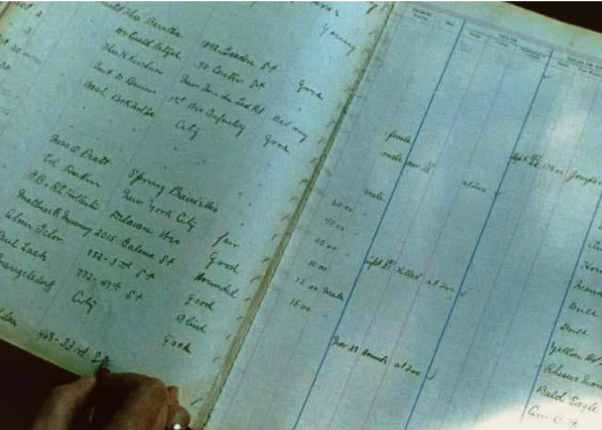
When data resides across spreadsheets, local databases, archived emails, and paper files, assembling compliant documentation becomes a manual reconciliation exercise. Manual reconciliation introduces error probability. Error probability introduces delay.
Delays introduce cost.
Where Fragmentation Creates Risk
Without structured infrastructure, institutions encounter recurring vulnerabilities:
Inconsistent Identifiers
An animal may carry different internal identifiers across systems. During transfers, mismatched identifiers create confusion and require verification.
Incomplete Medical Histories
If veterinary notes are stored separately from central records, health certifications may lack critical detail.
Taxonomy Discrepancies
Taxonomic updates may not be synchronised across institutions, leading to discrepancies in official documentation.
Lag Between Event and Record
If transfers or medical events are recorded retrospectively, real-time data does not reflect current status.
These vulnerabilities are rarely dramatic. They accumulate quietly until a permit is delayed or an authority requests clarification.
Structured Infrastructure Reduces Administrative Friction
Through a unified Zoological Information Management System, institutions operate within a standardised data architecture that reduces fragmentation.
Key structural advantages include:
- Globally unique animal identifiers
- Centralised medical record integration
- Controlled taxonomy governance
- Real-time transfer logging
- Secure inter-institution data visibility
When both the sending and receiving institutions operate within the same system framework, documentation continuity is preserved.
Medical histories transfer intact. Lineage data remains consistent. Identifier integrity is maintained.
This reduces the need for duplicate documentation assembly.
Operational Example: Coordinated Genetic Transfer
Consider a scenario in which a critically endangered carnivore is transferred from a European facility to a North American institution to balance founder representation.
Without structured infrastructure:
- Studbook coordinators manually verify lineage via separate datasets
- Veterinary teams compile health history from multiple sources
- Registrars reconcile microchip records and permit forms
- The receiving institution re-enters historical data locally
Each step introduces duplication.
Within a shared system environment:
- Lineage confirmation is visible within the platform
- Medical history is accessible in structured format
- Transfer status updates automatically across institutions
- Receiving institutions inherit complete, verified records
Administrative effort decreases. Error probability declines.
Financial Exposure in Delayed Transfers
Transfer delays incur measurable cost:
- Extended holding and husbandry expenses
- Additional veterinary re-testing
- Expedited shipping adjustments
- Administrative labour
- Potential loss of breeding windows
For high-value conservation transfers, delay may also affect population viability outcomes.
Structured infrastructure reduces the likelihood of documentation-related delay.
Directors evaluating system investment should quantify the cost of a single delayed transfer. In many cases, that cost alone justifies improved data governance.
Regulatory Landscape and Compliance Risk
Wildlife transfers operate within a complex regulatory environment that may include:
- CITES
- National wildlife authorities
- Customs and border protection
- Regional association oversight
- Institutional accreditation standards
Authorities increasingly expect digital record traceability and audit readiness.
A Zoological Information Management System supports:
- Comprehensive audit trails
- Secure role-based access
- Export-ready reporting
- Standardised data fields aligned with regulatory expectations
Institutions lacking structured audit capability face increased scrutiny and reputational exposure.
Compliance is not solely about meeting minimum requirements. It is about demonstrating governance maturity.
Strategic Importance of Transparency
International conservation networks operate on trust. Institutions must trust that transferred animals arrive with accurate lineage, complete medical documentation, and verified histories.
Structured systems enhance transparency. They reduce ambiguity. They create shared confidence in record integrity.
Trust accelerates collaboration.
Institutions known for documentation reliability are more attractive partners in cooperative programmes.
Common Operational Mistakes During Transfers
Even experienced institutions encounter avoidable breakdowns.
Parallel Communication Channels
When transfer coordination occurs through informal email chains rather than system logging, information gaps emerge.
Outdated Data Exports
Using static data exports rather than live records creates version discrepancies.
Local Record Adjustments Without Synchronisation
If receiving institutions alter records locally without central updates, divergence occurs.
Structured systems reduce these breakdown points by embedding process into infrastructure.
Data Security Considerations
International transfers involve sensitive institutional data. Medical records, ownership details, and personal contact information must be protected.
A structured Zoological Information Management System includes:
- Encrypted access
- Role-based permissions
- Institutional data boundaries
- Audit logs
These controls align with modern cybersecurity expectations and institutional IT governance standards.
As global data privacy regulations evolve, secure infrastructure becomes increasingly important.
Long-Term Strategic Implications
Institutions participating in international breeding and conservation programmes must operate within scalable frameworks. Transfer volume may increase as climate adaptation, habitat loss, and conservation planning evolve.
Institutions relying on manual systems will struggle to scale transfer complexity.
Those operating within structured digital ecosystems can manage higher volumes with lower marginal administrative cost.
Scalability becomes a strategic advantage.
Future Outlook: Digital Verification and Smart Compliance
Emerging regulatory frameworks may incorporate digital verification layers. Authorities may increasingly request structured digital submission rather than paper documentation.
Institutions already embedded within a structured Zoological Information Management System will adapt seamlessly. Those dependent on manual processes will require substantial operational adjustment.
Proactive infrastructure investment reduces future transition cost.
Leadership Perspective: Risk Versus Resilience
From a leadership standpoint, international transfers represent both opportunity and exposure. They strengthen genetic diversity and institutional collaboration, but they also expose institutions to compliance and reputational risk.
Structured data infrastructure reduces exposure while supporting conservation objectives.
It transforms transfers from high-risk administrative exercises into standardised operational processes.
Resilience is built into systems, not into individual memory.
Conclusion
International animal transfers demand precision, coordination, and defensible documentation. Fragmented record-keeping increases delay risk, compliance exposure, and administrative cost.
A Zoological Information Management System embeds standardisation, audit readiness, and inter-institution visibility into daily workflow. It reduces friction, strengthens trust, and supports scalable global collaboration.
Institutions committed to reliable cross-border conservation operations should prioritise structured data governance. To explore how integrated infrastructure can support compliant and efficient international transfers, contact us to discuss next steps aligned with your operational objectives.

Effective conservation does not occur in isolation; it thrives through collaboration. Partnering with Species360 to aggregate global data on reproductive patterns and population dynamics is crucial for evidence-based conservation and the long-term sustainability of managed populations across institutions, maximizing global impact.
Maria Franke, Director, Applied Conservation, Toronto Zoo