1,400 Strong: How a Global Community is Transforming Wildlife Data
- By Taylor Johnson
This year, more than 80 new institutions joined the Species360 community, bringing our global membership to over 1,400 zoos, aquariums, conservation organizations, and research partners
Spanning almost every continent and reaching 102 countries, this growing network reflects a shared commitment to improving animal care and supporting conservation through high-quality, collaborative data. Together, Species360 members represent the most comprehensive collective effort to advance animal welfare, conservation, and research through shared data.
What This Milestone Represents
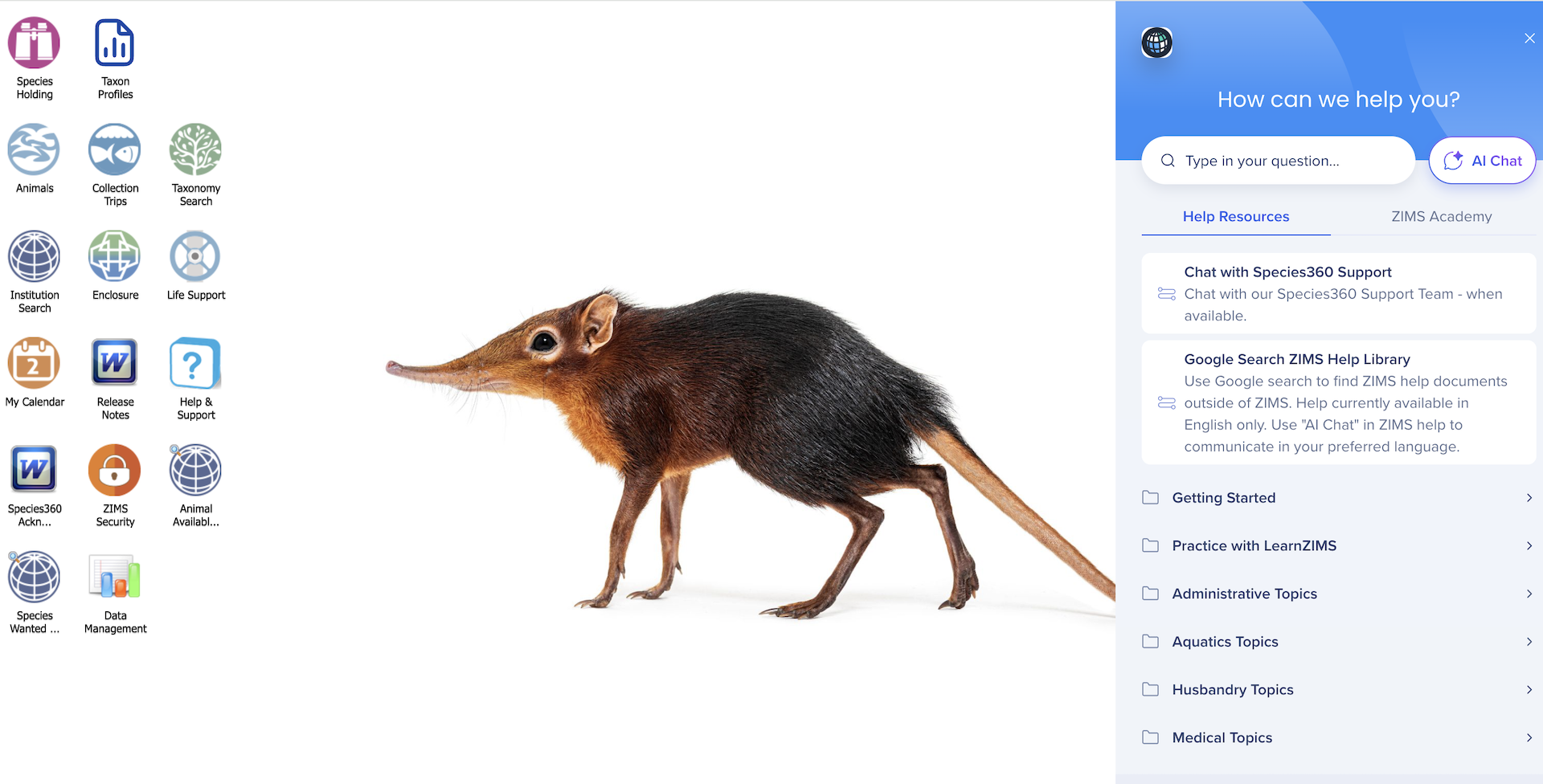
Reaching 1,400 members represents a stronger, more connected global network working to safeguard biodiversity. Through the Zoological Information Management System (ZIMS), members have curated over 50 years of data on more than 22,000 species, building one of the largest collections of wildlife knowledge on Earth.
Collectively, ZIMS data becomes a powerful global resource that supports the IUCN Red List, informs CITES policies, and helps institutions make evidence-based decisions for animal care and conservation.
Every new member adds valuable data that helps improve animal care standards and strengthen global biodiversity research. This growth also expands the diversity of insights contributed, from marine life to mammals and in between, ensuring that conservation decisions are informed by real data.
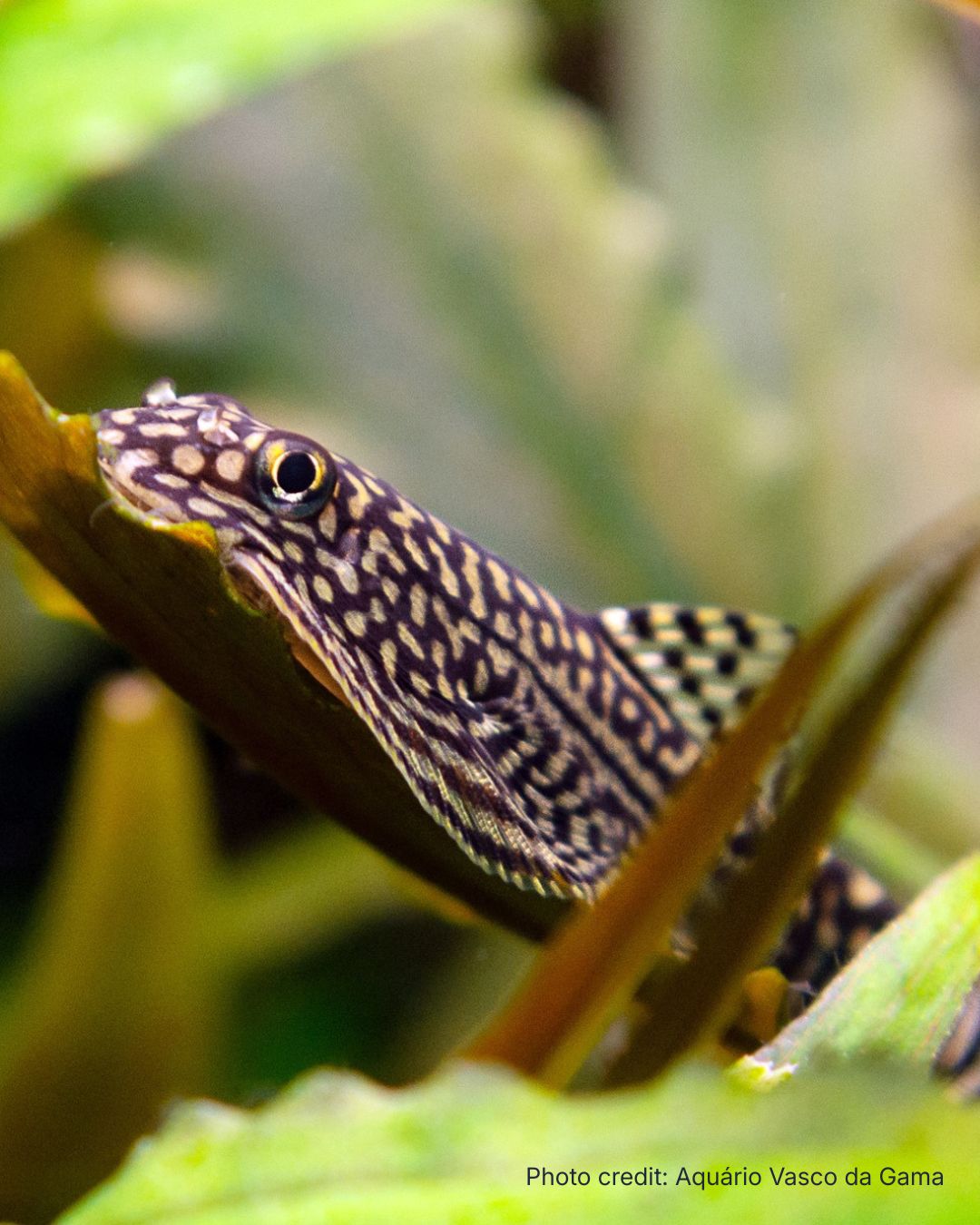
Aquário Vasco da Gama
Aquário Vasco da Gama, located in Oeiras near Lisbon, is one of the world’s oldest public aquariums, first opened in 1898. The institution blends live marine habitats with historic oceanographic collections connected to the early scientific expeditions of King Carlos I of Portugal. Today, the aquarium continues to engage visitors of all ages with a mix of native and tropical species, natural history displays, and educational programs that highlight Portugal’s long-standing relationship with marine exploration and biodiversity.
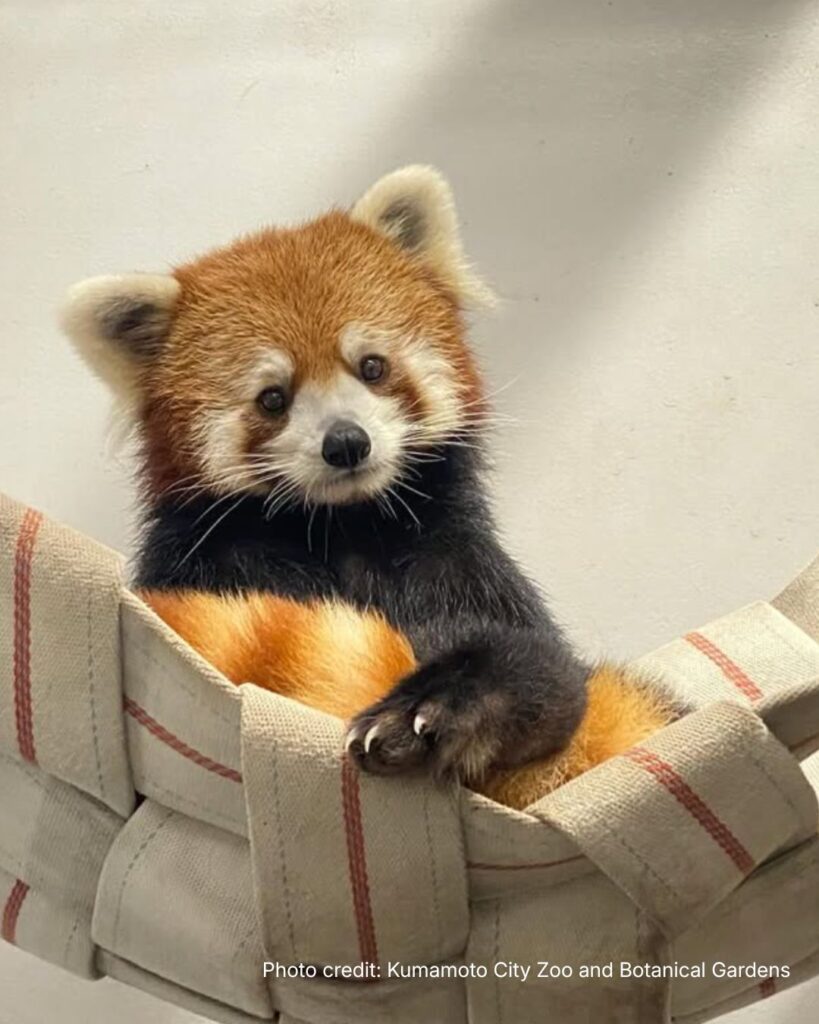
Kumamoto City Zoo and Botanical Gardens
In Japan, Kumamoto City Zoo and Botanical Gardens brings together animal care, plant conservation, and community education in one space. The zoo cares for a diverse range of species and is known locally for programs that help families and school groups learn about wildlife and the environment. Their combined animal and botanical work offers visitors a unique opportunity to see how different parts of an ecosystem connect.
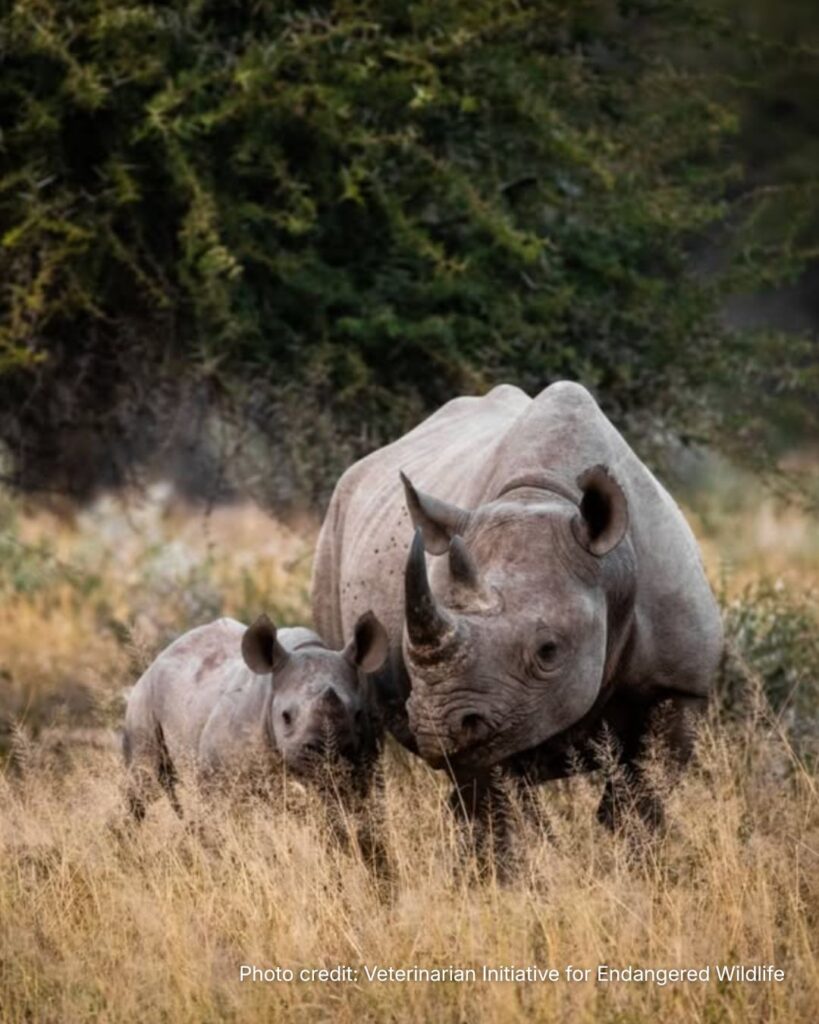
Veterinarian Initiative for Endangered Wildlife (VIEW)
Based in the United States, the Veterinarian Initiative for Endangered Wildlife (VIEW) brings together veterinary professionals dedicated to improving the health and welfare of threatened species. VIEW’s work helps identify patterns in preventive care and contributes to stronger outcomes for animals in both managed care and field-based conservation programs.
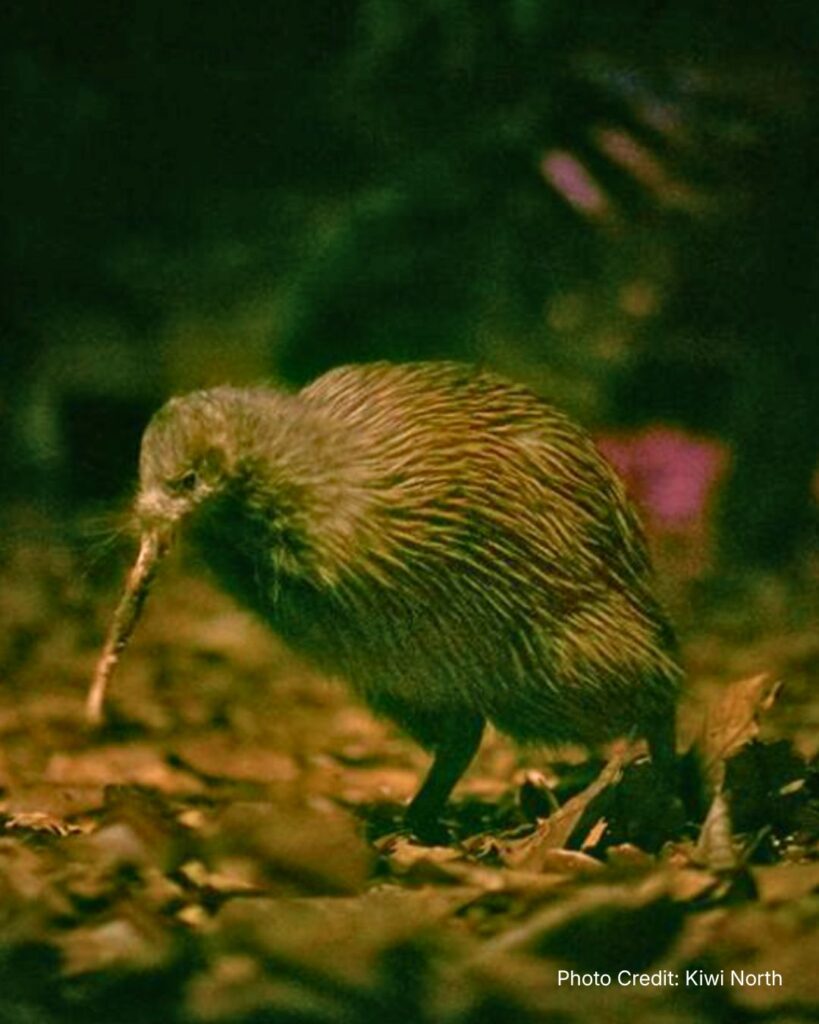
Kiwi North
Located just north of Auckland, New Zealand, Kiwi North is a unique combination of a museum, heritage park, and wildlife sanctuary. The institution is dedicated to preserving both natural and cultural history, caring for native species and sharing stories that connect visitors to New Zealand’s rich biodiversity. Their work shows how regional institutions can connect communities to the wildlife in their own backyards.
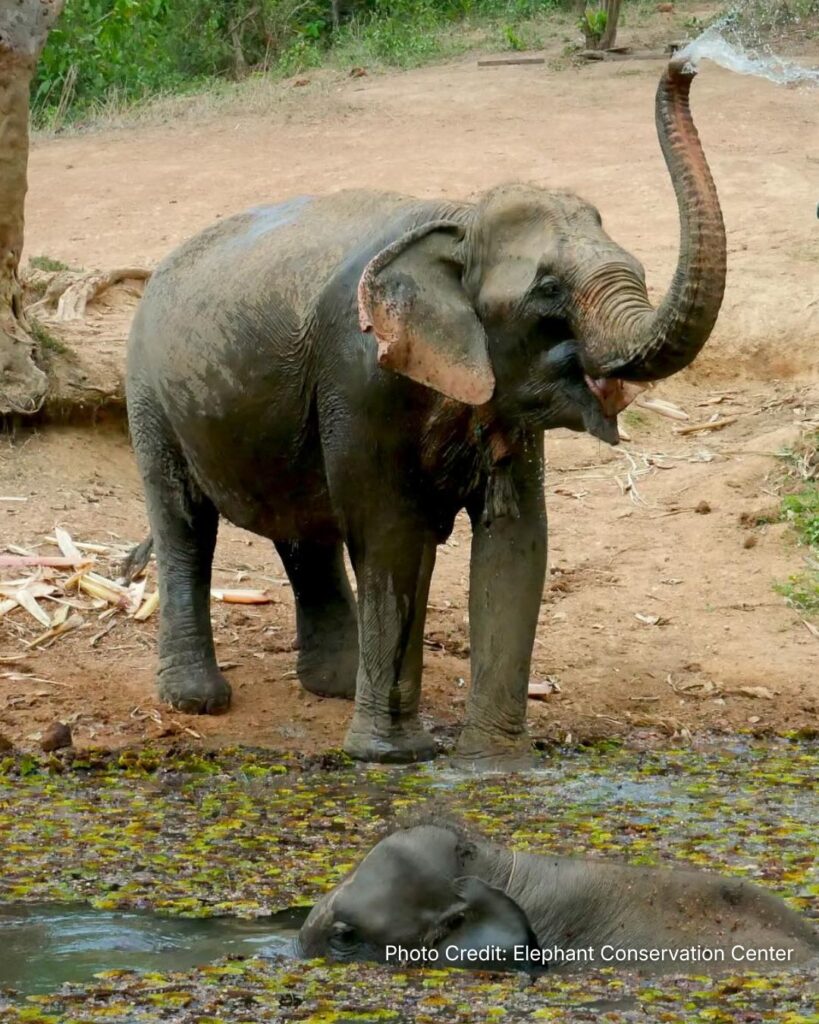
Elephant Conservation Center
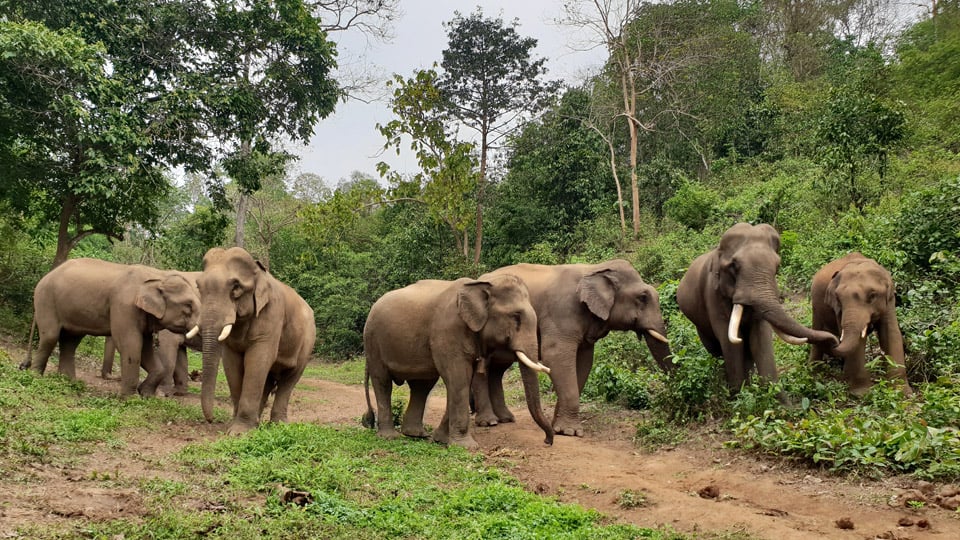
The Elephant Conservation Center, located in Laos, provides a safe home for elephants that have come from logging, tourism, or other challenging conditions. The center focuses on long-term welfare, rehabilitation, and opportunities for elephants to live in more natural social groups. Their team works closely with veterinary and husbandry specialists to support each animal’s health and well-being as they adjust to sanctuary life.
The Power of Shared Data
Collaboration is what drives progress. By sharing data through Species360, institutions around the world are improving outcomes for species in human care and the wild.
Through tools like ZIMS and the Species Conservation Toolkit Initiative (SCTI), institutions can move from data to action, using insights to shape breeding programs, monitor animal health, and plan long-term population management. The Conservation Science Alliance further amplifies this impact, connecting ZIMS data with IUCN, CITES, TRAFFIC, EDGE, and other critical datasets to inform wildlife policy and conservation planning around the world. Each institution contributes a piece of the puzzle, and together, we’re all shaping a global picture of species survival.
Collectively, ZIMS data becomes a powerful global resource that supports the IUCN Red List, informs CITES policies, and helps institutions make evidence-based decisions for animal care and conservation.
Every new member adds valuable data that helps improve animal care standards and strengthen global biodiversity research. This growth also expands the diversity of insights contributed, from marine life to mammals and in between, ensuring that conservation decisions are informed by real data.
Joining the Global Network
Becoming a Species360 member means joining a trusted community dedicated to advancing animal welfare and conservation science. Members gain:
- Access to ZIMS, the world’s most comprehensive platform for animal record-keeping and management.
- Collaboration opportunities with 1,400+ institutions across more than 100 countries.
- Contribution to global conservation research, policy development, and species management.
- Support and training from a dedicated global team of experts.
Celebrating Collective Impact
This milestone reflects the work of many people across our member institutions, from keepers and aquarists to registrars, veterinarians, and conservation teams. As the network grows, so does our collective ability to share knowledge and support better outcomes for species.
If your institution is interested in being part of this community, we’d be glad to connect. Learn more about becoming a Species360 member today!