Data Sharing: Accessing ZIMS Data through Conservation Science Alliance (CSA) Research Requests
- Sandy Trautwein
The Species360 Conservation Science Alliance aims to maximize the use of ZIMS ex situ data in advancing zoological, conservation, and academic research. Not only does this demonstrate our non-profit status and commitment to maximizing this invaluable data resource, but it also supports Species360’s mission to improve the care and conservation of species.
This helps our members strengthen their position as essential to advancing species knowledge and highlights the critical role of zoos and aquariums in species conservation.
Species360’s foundation is built on the collaborative power of data sharing, providing access to ZIMS data through a Research Request process for many years. This process has enabled critical scientific research and discoveries. For example, a study on cancer risk across mammals published in Nature utilized ZIMS data to examine the phylogenetic distribution of cancer across mammal species. The study revealed that cancer mortality rates are associated with diet, with carnivorous mammals, particularly those that consume other mammals, facing the highest risk. The study results highlight the key role of life-history evolution in shaping cancer resistance and provide major advancements in the quest for natural anticancer defences.
Another study, made possible through the Research Request process studied how flamingo flock size and structure influence reproductive success. To provide evidence-based recommendations for flamingo management, researchers analyzed ZIMS data from 540 ex situ populations worldwide. They combined demographic data (flock size, sex ratio) with high-resolution global climate data to model the determinants of reproductive success. The analysis concluded that to encourage breeding and sustain populations, flamingo flocks should ideally be maintained in large groups of 50 to 100 individuals with an even sex ratio. This study provides a clear, actionable husbandry guideline derived directly from global data.
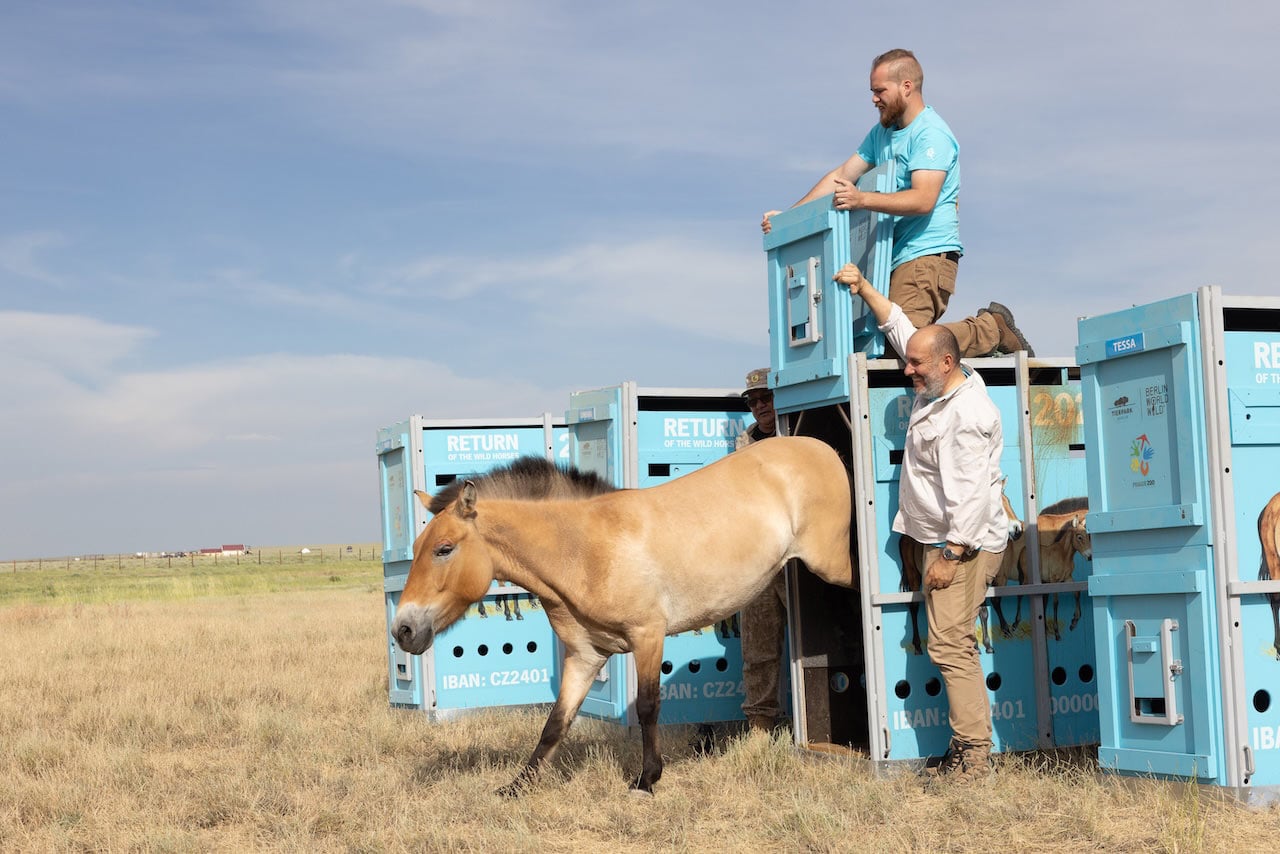
There are many more fantastic examples of how researchers and conservationists have been leveraging ZIMS data. Some of which have been highlighted in the recent Species360 Conservation Science Alliance Research Symposium. The 2nd annual online event showcased research from around the world covering population management, animal welfare and health research, as well as conservation and reintroduction efforts.
The Research Request Process
Over the past five years, we have formalized and streamlined the Research Request process, making it easier for researchers to access ZIMS data through a robust approval system, including approval by Species360’s Board of Trustees.
Until now, this community service has been offered to both members and non-members at no cost. However, as the need to access ZIMS data for research increases, so do the resources required to process, clean, and prepare the anonymized data sets. It is estimated that over the past five years, Species360 has contributed approximately $200,000 to providing access to ZIMS data through the Research Request process.
To continue our efforts in providing access to this vital resource, Species360 will introduce a non-refundable Research Request application fee for non-members of US$100 starting August 1, 2025.
Members and subscribers of Species360 will still receive this service at no extra charge. This is another way we demonstrate our support and commitment to our members and subscribers, promoting the care and conservation of species worldwide by maximizing their Species360 membership.
To learn more about our Research Request process, please click here.
And to learn more about some of the wonderful ways, our members and researchers are leveraging ZIMS data, take a look at the recordings from our annual Species360 Conservation Science Alliance Research Symposium.