How ZIMS Training is Helping Rabat Zoo Strengthen its Record-keeping and Science
Blog by: Rabat Zoo Communications Team
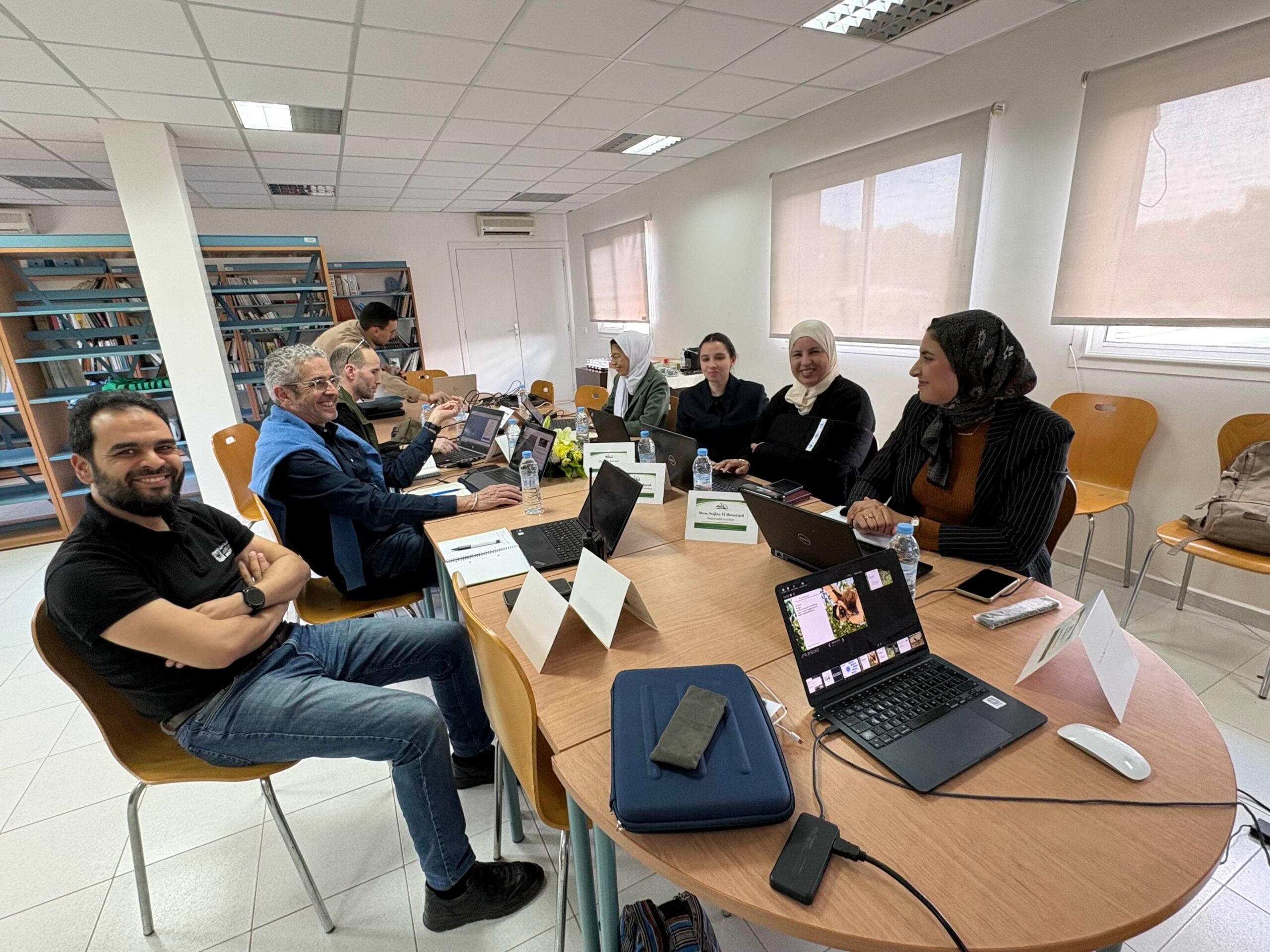
The Rabat Zoo team during the ZIMS training session on managing and tracking the animal collections.
The National Zoological Garden of Rabat (Jardin Zoologique de Rabat) is one of the top zoos in Morocco and across Africa. What started as a modernization project in 2008, had become, by 2012, a 27-hectare home to nearly 2,000 animals from more than 170 African and Moroccan species. Visitors can explore five recreated habitats (savanna, desert, Atlas mountains, wetlands, and tropical forest) and meet species such as lions, giraffes, rhinos, and elephants, several of which are part of dedicated conservation breeding programs.
Behind the scenes, Rabat Zoo’s teams run breeding and conservation programs, protect endangered species, and help the public understand why biodiversity matters.
To help manage that work, the zoo relies on the Species360 Zoological Information Management System (ZIMS), the animal record-keeping platform used by zoos, aquariums and conservation organizations worldwide. To get more out of ZIMS, the zoo recently ran a hands-on training workshop for its technical and scientific staff.
Tracking every animal, every day
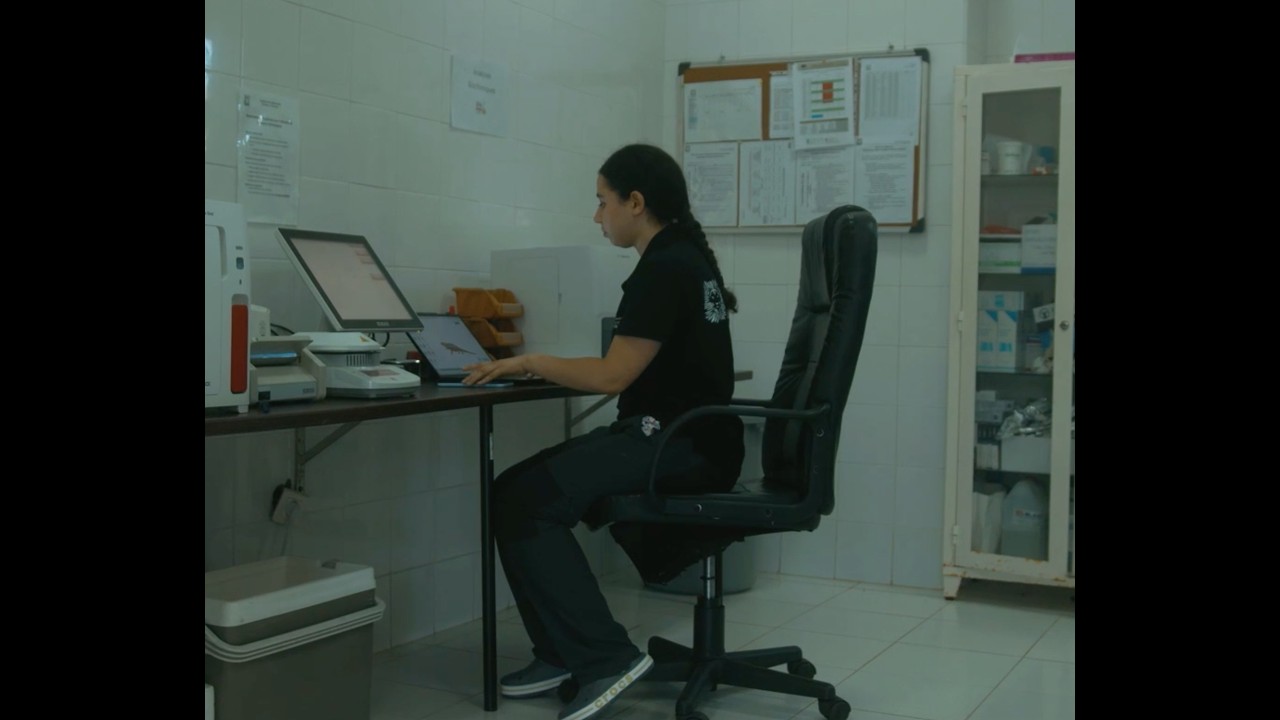
ZIMS is central to the day-to-day management of the zoo’s animal collection. Whenever an animal arrives, leaves, or shows unusual behavior or a health issue, keepers flag it to their curator.
The curator logs everything in a daily report, and the animal transfer specialist then enters and updates the information in ZIMS. This process keeps the zoo’s animal data accurate, organized, and centralized, in line with international zoo management standards.
Getting more from ZIMS
The Rabat Zoo team was already recording animal data in ZIMS and saw room to make fuller use of the system, particularly advanced record updates, genealogy links between animals, and the ZIMS for Medical module.
The Zoo invested in deeper, more technical training as part of a broader effort to meet international standards and prepare for membership in the European Association of Zoos and Aquaria (EAZA).
Species360 Member Support Representative, Uljana Kałążny, travelled to Rabat to deliver in-person training for the zoo’s staff across various departments. The training was conducted in French and covered several topics including: accessions, adding weights, identifiers, notes and permits, transactions, enclosure creation, and enclosure measurements, as well as medical.
Below is a video produced by Rabat Zoo to show how they use ZIMS in their daily animal management.
Hands-on training
Participants said the training ran smoothly, covering everything planned within a good timeframe. Teams came away with a much better handle on ZIMS’s features and what the platform can do for scientific zoo management.
The team was particularly enthusiastic about the QR code functionality in ZIMS. By scanning a code, staff can pull up an animal’s records instantly, a simple tool that makes day-to-day data management faster and easier.
Rethinking how data gets handled
Since the training, Rabat Zoo has been updating some internal procedures to make recording, managing, and retrieving animal data smoother.
It’s part of the zoo’s ongoing work to refine its methods and strengthen the scientific rigor behind its animal collection management.
The training also reinforced the importance of data-sharing between zoos and conservation organizations. Participants said swapping information with other institutions strengthens animal management and supports conservation work, both in Morocco and internationally.
What's next for the zoo
As the team becomes more comfortable with ZIMS, Rabat Zoo plans to use it more extensively, especially the ZIMS for Medical module, which it sees as key to veterinary care and health monitoring. The training participants look forward to building their ZIMS skills further, so they can manage the zoo’s animal collection even more effectively and continue strengthening its work in biodiversity conservation
This training is one more step in Rabat Zoo’s work to modernize and build up its technical and scientific expertise.
Since the training, Rabat Zoo was awarded full EAZA Membership at the EAZA Annual Conference in Paris.
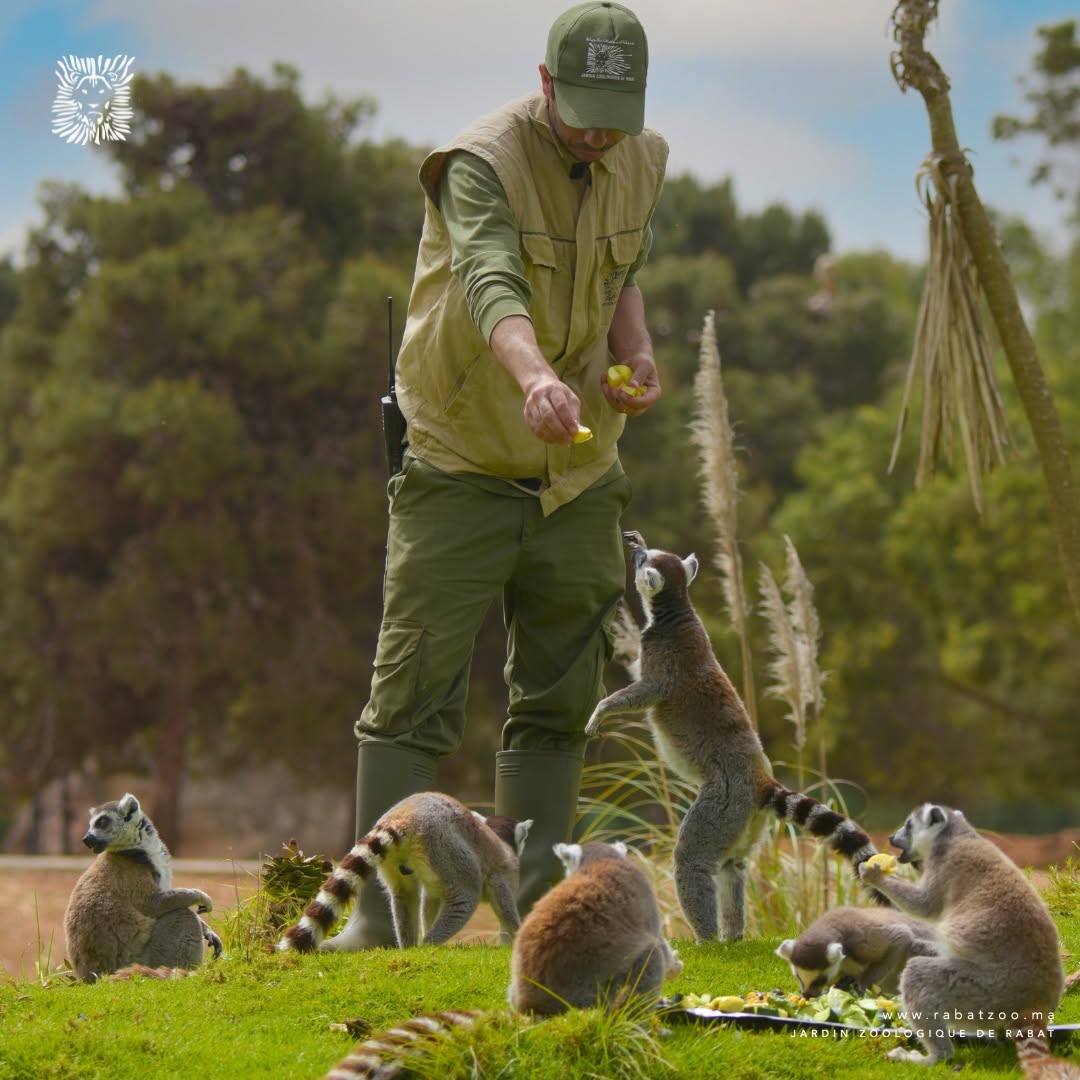
A zookeeper at Zoo Rabat feeding ring-tailed lemurs. Credit: Rabat Zoo.
Interested in ZIMS training?
If you are interested in specialized ZIMS training for your organization, please reach out to the Species360 Support team at support@species360.org.