The hidden lives of sharks and rays: missing data swimming in aquariums
- By Gavrielle Kirk-Cohen
Species360 and aquariums around the world are working together to reveal the parts of sharks’ and rays’ lives that science has never seen and we want you to join our ground-breaking research projects.
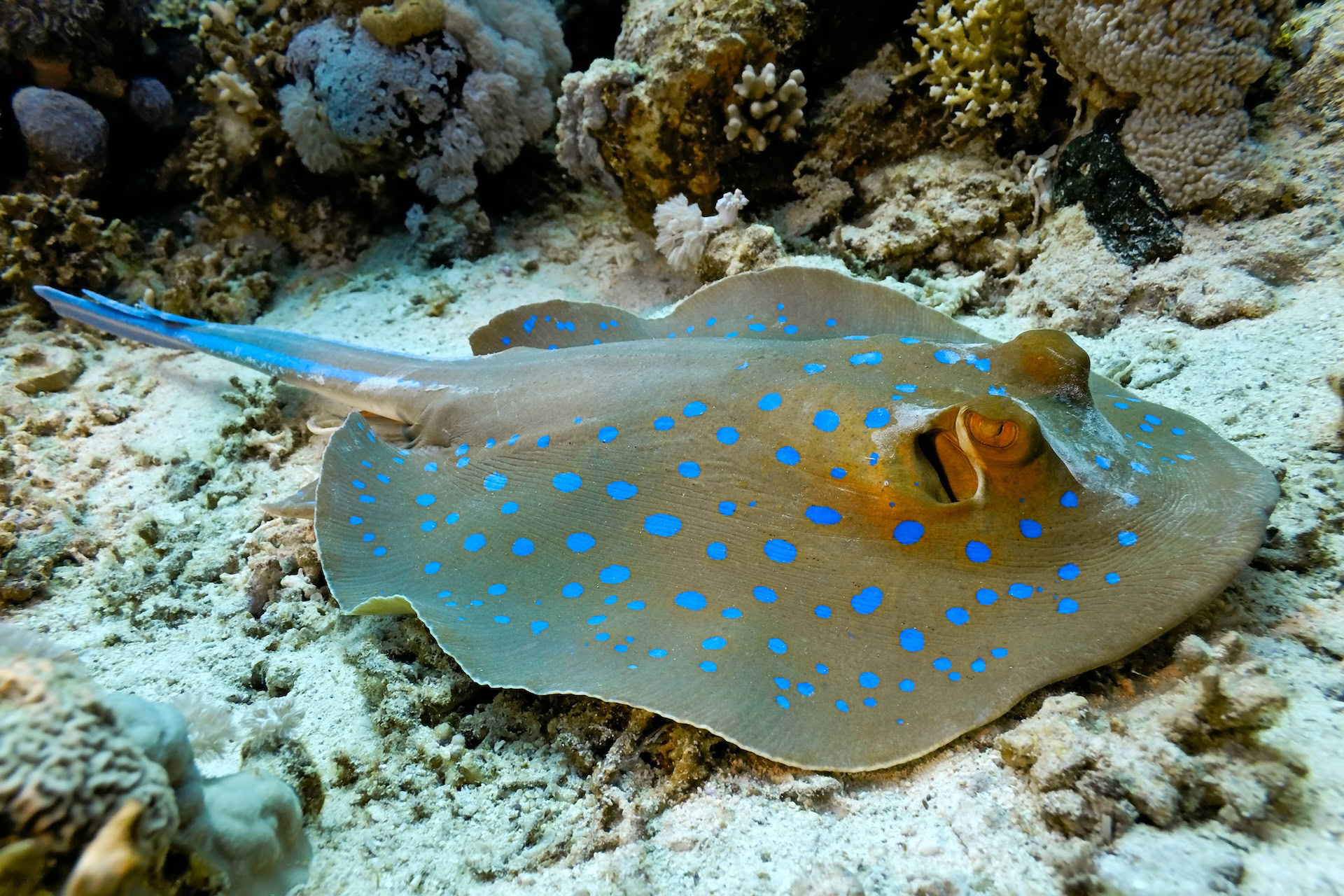
There are currently over 1,000 species of sharks and rays worldwide, and with fossil records dating back millions of years, sharks have outlived dinosaurs, yet so little is truly known about them. Some of the most basic questions about the lives of sharks and rays remain unanswered. How fast do they grow? At what age do they mature? How long can they live, and when do they reproduce most successfully? For the majority of these species, we simply do not know.
More frightening than the theme song from Jaws is just how stark the knowledge gap really is. Growth parameters are known for only 14.7% of shark species and 8.9% of rays. That means for more than 85% of cartilaginous fishes, the fundamental patterns that shape how we care for and conserve them have never been described.
Through research being conducted by the Species360 Conservation and Science team, we’re hoping to close that knowledge gap using a source of information that has been quietly accumulating for decades: the meticulous records kept by aquariums.
Species360 is leading two multi-institutional research projects: one exploring how sharks and rays grow across different ages and between the sexes, and another examining how their reproductive success changes as they age.
Working with aquariums around the world, we are building the most comprehensive demographic dataset ever assembled for cartilaginous fishes in human care, which will provide practical evidence-based benchmarks that can support aquarium management, animal care and conservation breeding programs.
Growth parameters are known for only 14.7% of shark species and 8.9% of rays.
Why aquarium records are so valuable
Studying growth and reproduction in wild sharks and rays is extraordinarily difficult. Animals are hard to find, harder to follow, and rarely observed across their whole lives. Aquariums offer something the ocean cannot: repeated measurements of individually identified animals, tracked from birth through much of their lifespan.
Those long-term, individual-based records are one of the world’s few opportunities to study lifetime growth in these species. When pooled across institutions through databases such as the Species360 Zoological Information Management System (ZIMS), they offer a rich sea of insights not found anywhere else in the world.
These insights can in turn enhance the fundamental knowledge of these understudied species, facilitate science-based husbandry practices and management decisions, support regional and institutional collection planning decisions to ensure genetically and demographically sustainable populations, and ultimately improve the wellbeing of cartilaginous fishes in aquariums. The research outcomes will also underscore the vital role of aquariums in the conservation of these species, as demographic information is particularly challenging to obtain in their natural habitats.
Defining growth and reproduction patterns to support population management and welfare
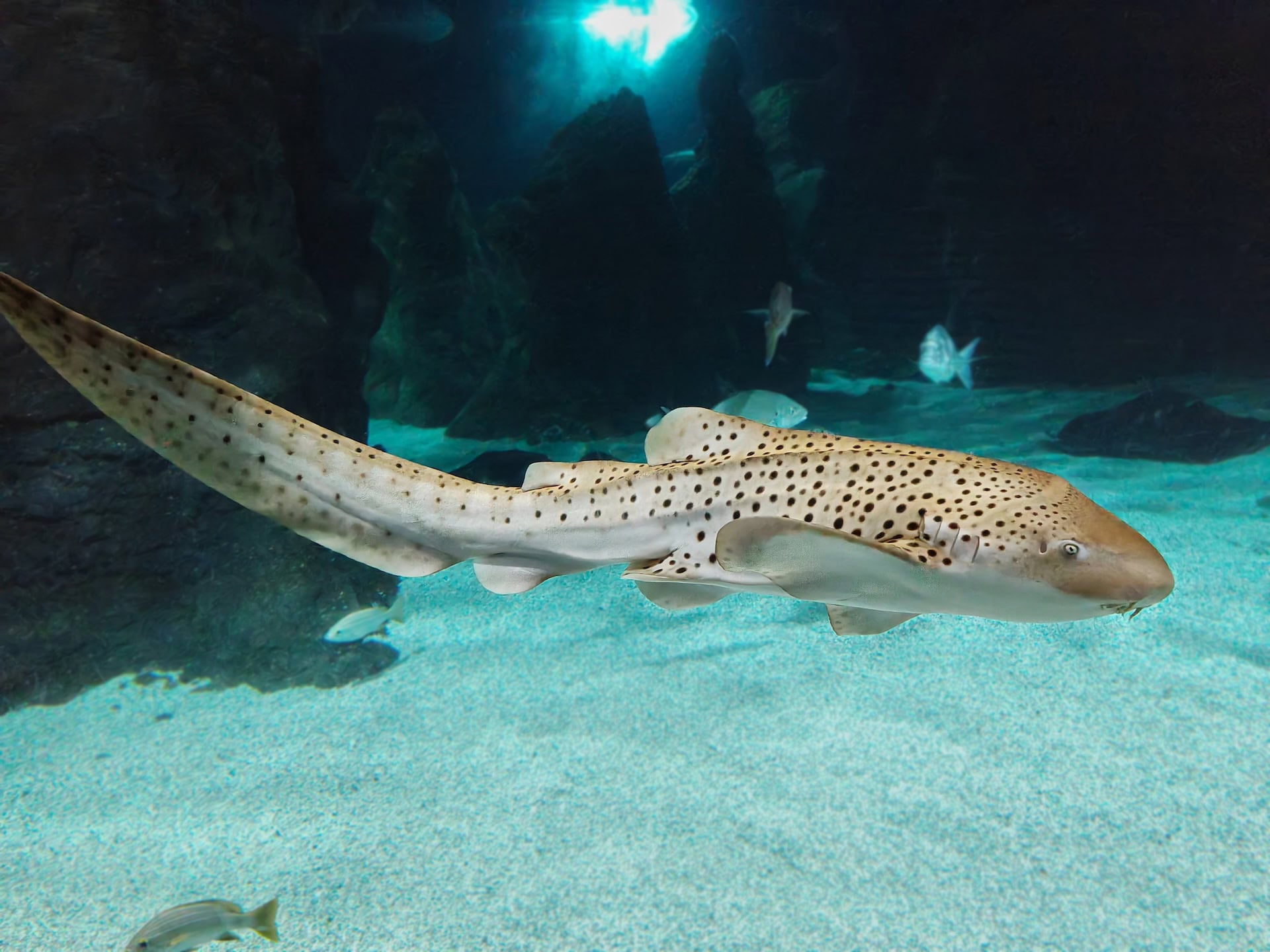
The first study focuses on growth, using body-weight records of individually identified animals from to define how these fishes grow at different ages and how growth differs between males and females. By fitting growth models to decades of data, it estimates key benchmarks such as body weight at maturity, expected weight-at-age and asymptotic (adult) weight, giving aquariums evidence-based tools for feeding, health monitoring, space planning and breeding decisions.
The second study focuses on reproduction, linking detailed offspring data, including clutch size, birth weight and survival, to each mother’s age. This will produce the first age-specific analyses of reproductive output for multiple shark and ray species in human care, revealing how reproductive success changes across a female’s lifespan and testing whether output declines in later life.
Together, the two studies build the most comprehensive demographic picture yet assembled for cartilaginous fishes in aquariums.
A collaborative effort
This research is led by Species360’s Conservation Science Team — Rikke Øgelund Nielsen, Floriane Plard and Morgane Tidière — in collaboration with the University of Southern Denmark, SEA LIFE, TRACKS and Georgia Aquarium. Results are being published open access and shared at major zoo and aquarium conferences.
It is a reminder of something aquariums have long demonstrated: careful, consistent record-keeping is itself an act of conservation. Every well-documented animal adds to a shared body of knowledge that benefits its whole species.
How to get involved
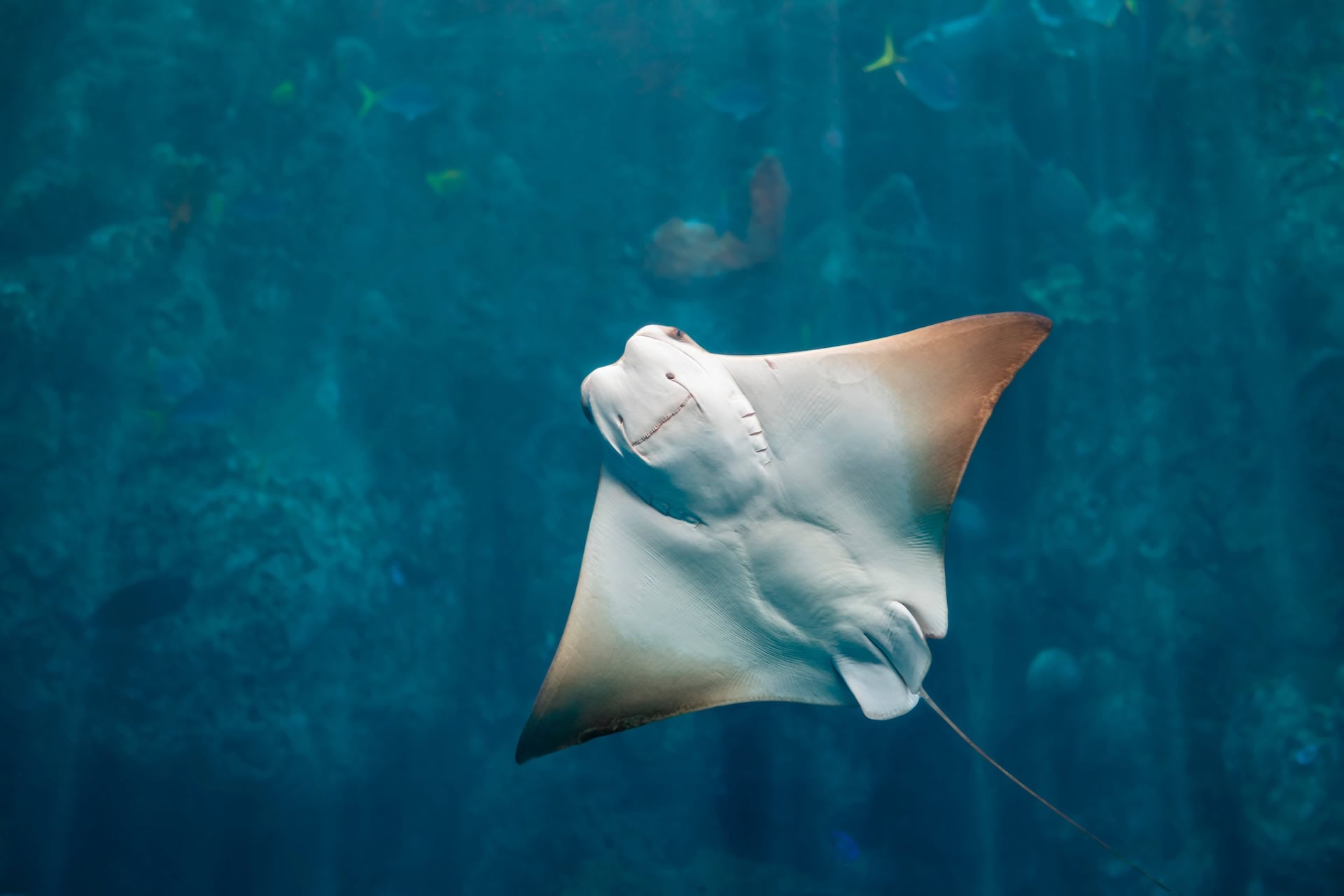
The more records the studies can draw on, the more robust and species-specific the results become. Institutions holding sharks and rays are invited to contribute their data, and there is particular need for high-quality records on species such as the sand tiger shark, nurse shark, leopard shark, spotted eagle ray and round ribbontail ray, among others.
As the research team likes to say: the missing data is swimming in your aquariums. To find out how to take part, contact Species360 at support@species360.org.