JAZA Launches Future Vision
- By Gavrielle Kirk-Cohen
Earlier in the year, Species360 had the privilege of attending and speaking at the Japanese Association of Zoos and Aquariums (JAZA) Annual Conference to share information about ZIMS and the value of shared data. As part of this conference JAZA unveiled the new JAZA Future Vision 2025 to all their members and attendees. This forward-thinking vision addresses the significant environmental and societal shifts that have occurred since JAZA’s ‘Ten-Year Vision’ was introduced in 2013. Species360 fully supports these goals and will work together with JAZA to reach them.
In a world facing challenges like climate change, ecosystem degradation, and biodiversity loss, the Future Vision 2025 calls for a society where humans and nature coexist and thrive. JAZA will spearhead this effort by working with diverse stakeholders to ensure zoos and aquariums across Japan “take action together for a better future for the Earth and all living things.”
The strategy encourages expanded partnerships and collaboration to secure the well-being of individual animals, their environments, and the entire planet. It empowers each member institution and its staff to proactively consider the future of the planet and take independent, impactful action.
Future vision key goals and objectives
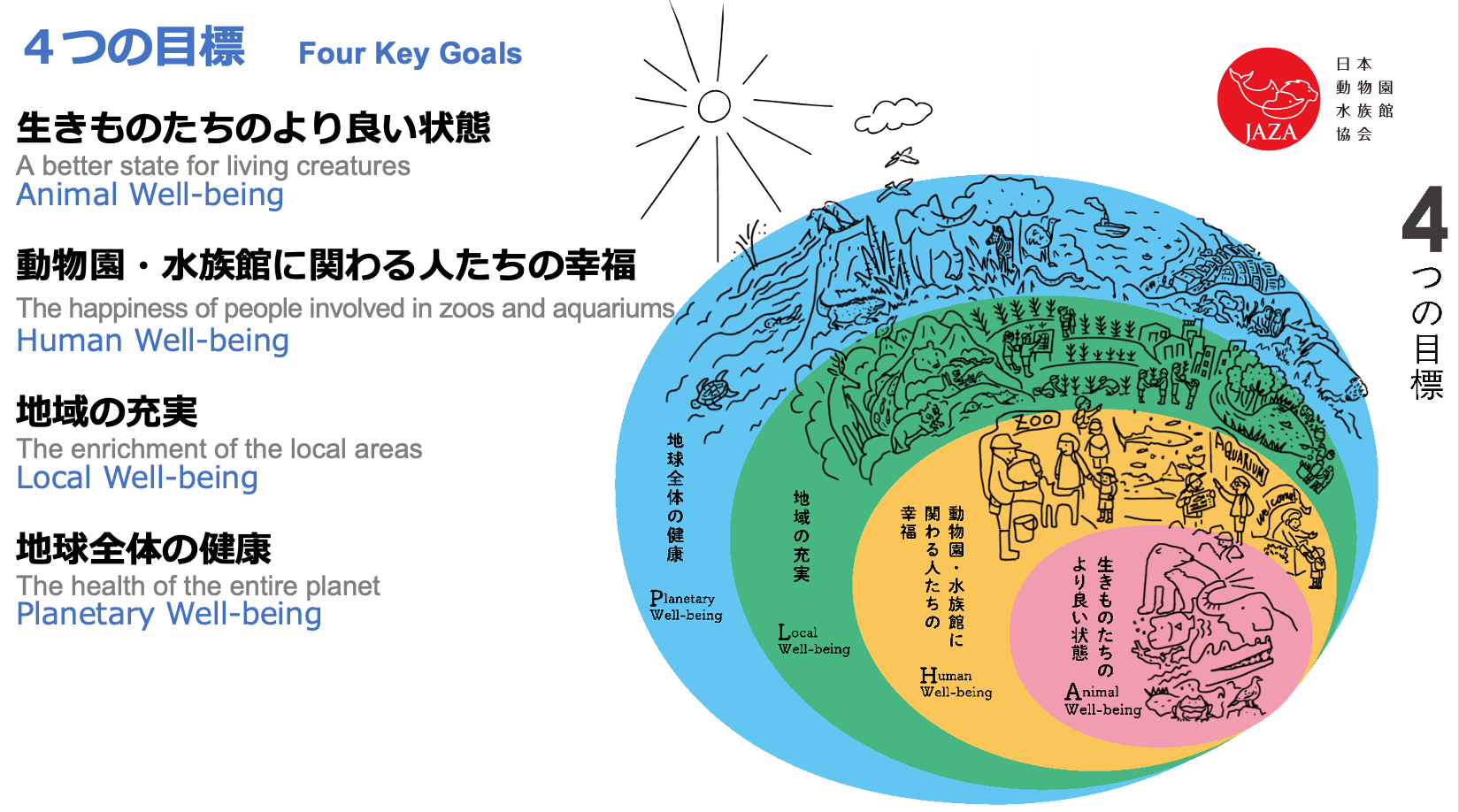
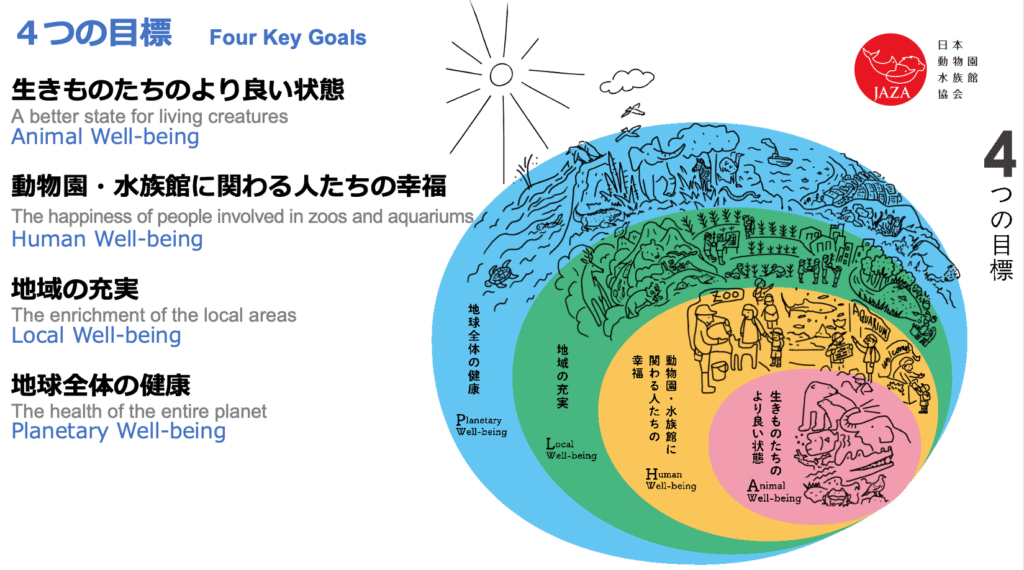
To guide this vision, JAZA has established four key goals, supported by 15 strategic action directions.
Key Goals:
- Animal Wellbeing – A better state for living creatures
- Human Wellbeing – The happiness of people involved in zoos and aquariums
- Local Wellbeing – The enrichment of the local areas
- Planetary Wellbeing – The health of the entire planet
Action Directions
To implement the vision, JAZA has defined 15 strategic directions across the four goal areas:
- Research as the basis for activities
Deepen the scientific understanding to protect the future of living beings. - Animal Welfare
Improve the quality of life of animals under human care. - Animal Management and Species Conservation
Conserve endangered species both ex situ and in situ while maintaining animal populations in human care. - Skill Inheritance and Human Resource Development
Strengthen transfer of skills and knowledge and human resource development to enhance organizational continuity and expertise. - Sound Operational Systems of zoos and aquariums
Ensure the well-being of persons involved and the sustainable operation of organizations. - Publicity for Roles and Activities
Proactively communicate the work of zoos and aquariums to foster understanding, empathy, and new partnerships. - Spaces for Learning
Be the educational hubs where diverse groups of people can enjoy gaining deeper knowledge. - Spaces for Diverse Experiences
Provide visitors with various experiences such as wonder, healing, and joy. - Spaces for Personal Growth
Be the places where people of all ages can develop and grow. - Local Environmental Conservation
Collaborate with citizens to promote the conservation of biodiversity and the environment in the surrounding areas. - Enrichment of local values
Enhance the richness and value of local areas. - Improving the Wellbeing of Local People
Pursue the wellbeing of nearby residents and broader communities. - Encouraging Behavioral Change
Inspire people to take action for the future. - Global Environmental Conservation
Address worldwide challenges such as climate change and biodiversity loss. - Fostering a Society in Harmony with Nature
Promote a society in which people recognize themselves as part of the ecosystem.
JAZA Annual Conference 2025: A Hub of Collaboration
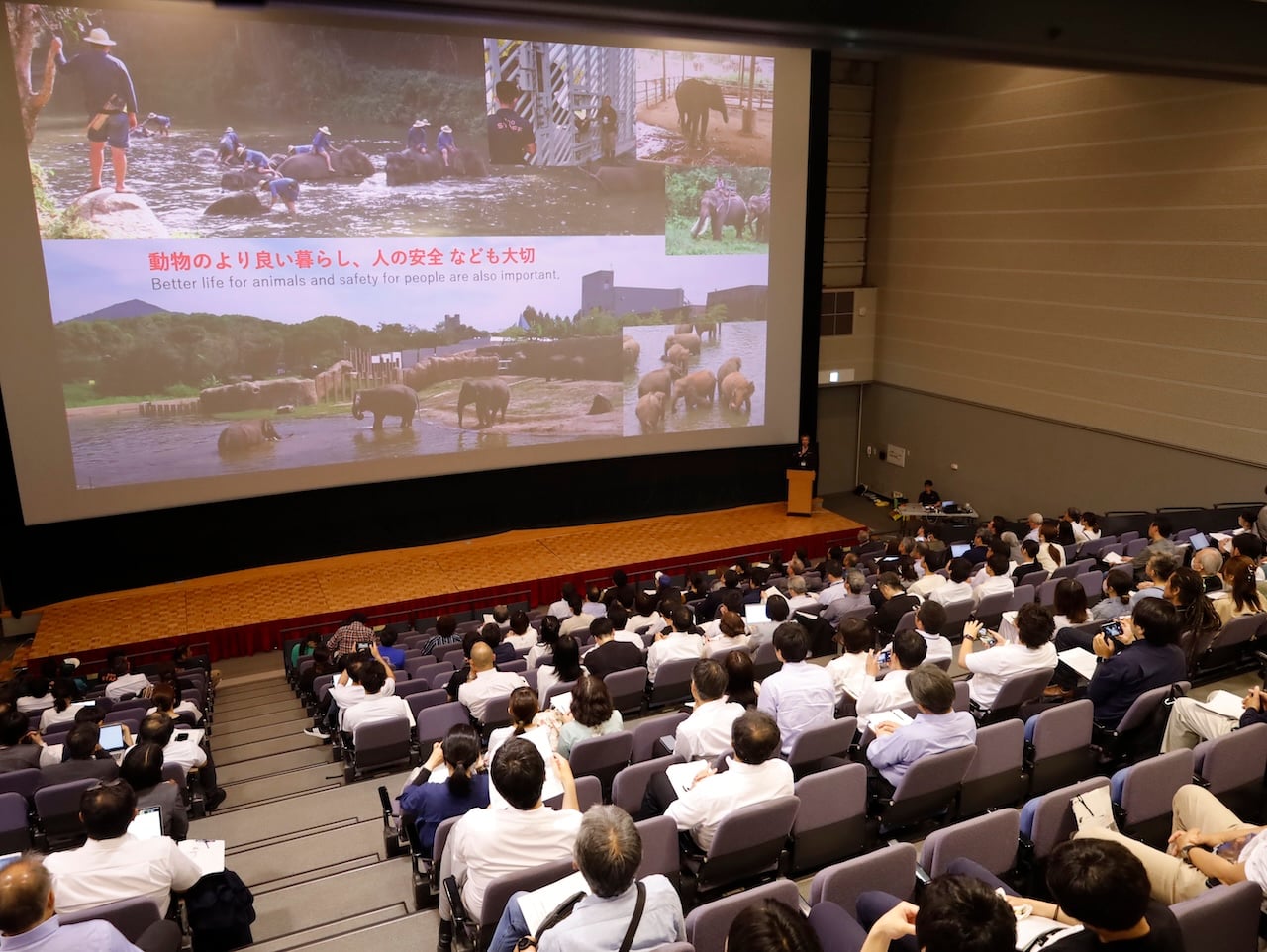
The new vision was launched at the highly successful JAZA Annual Conference, hosted by Species360 member Toyohashi Zoo. The event welcomed over 200 delegates, including directors and senior management from JAZA’s 140 member institutions. His Imperial Highness Crown Prince Akishino was the honored guest in attendance.
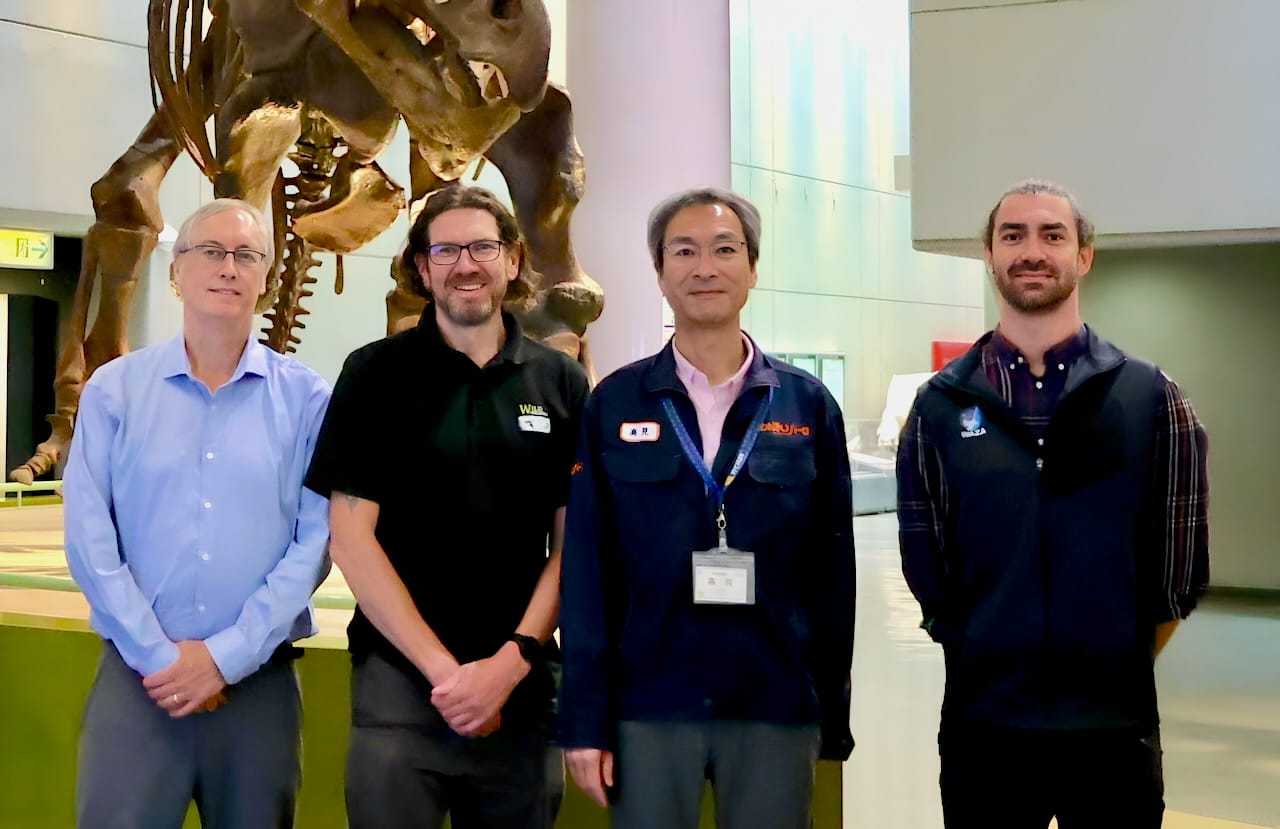
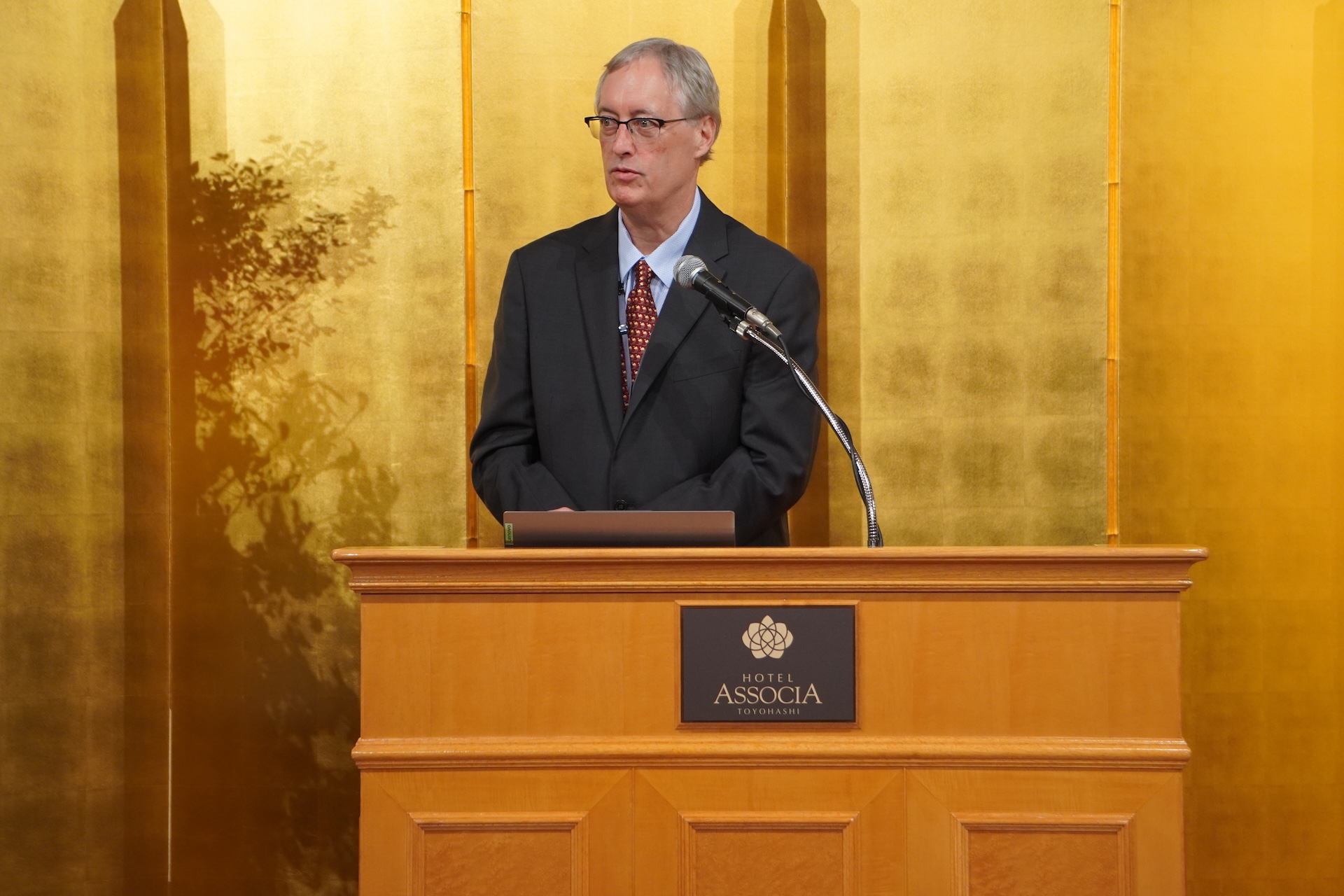
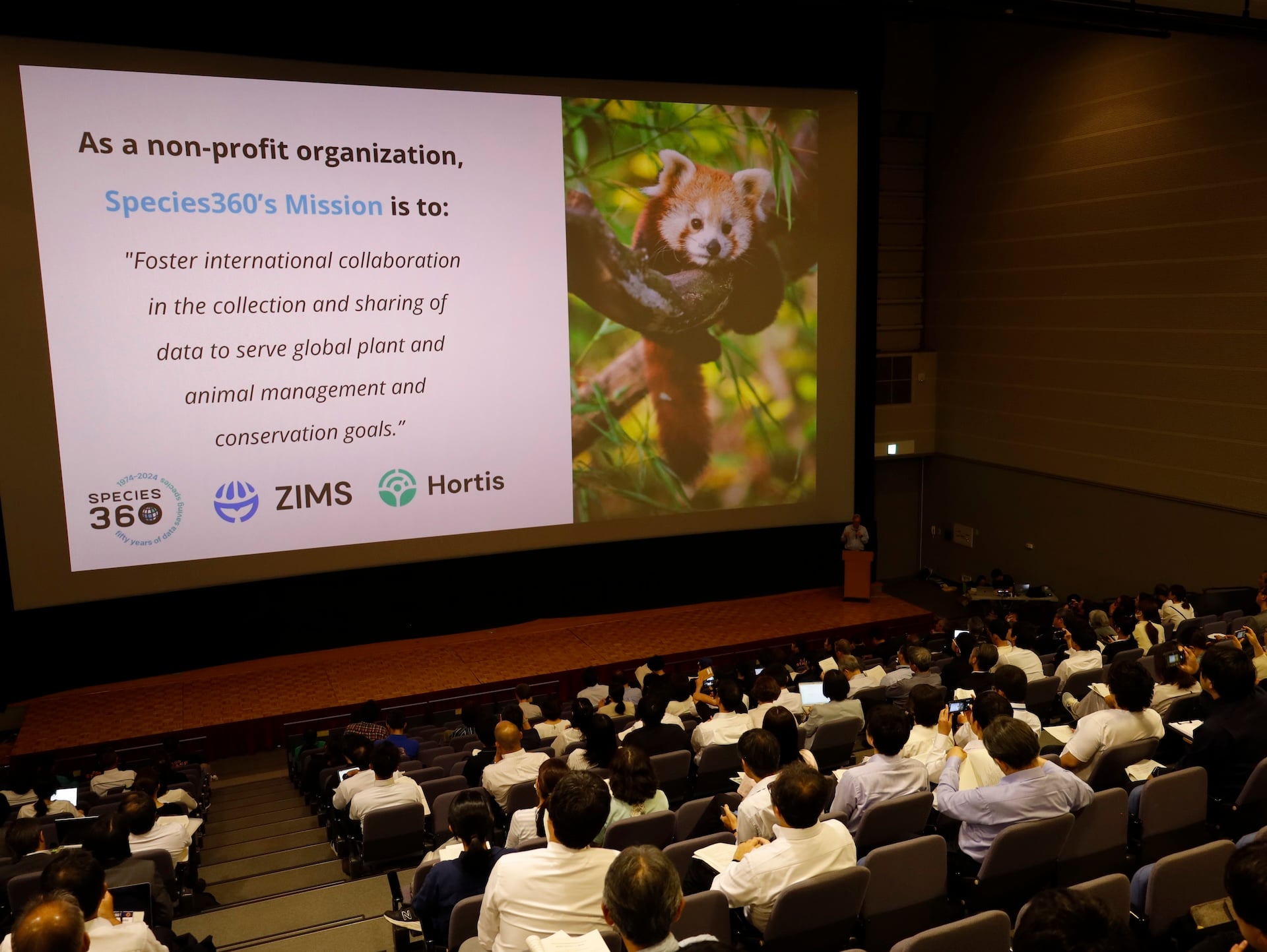
Species360’s Director of Global Member Development, Rob Calcagni, attended the conference and delivered a presentation updating members on Species360 and highlighting the critical value of shared data in achieving conservation goals.
“It was an honor to join the JAZA Annual Conference and discuss the important role of data in improving animal welfare and conservation outcomes,” said Rob Calcagni.
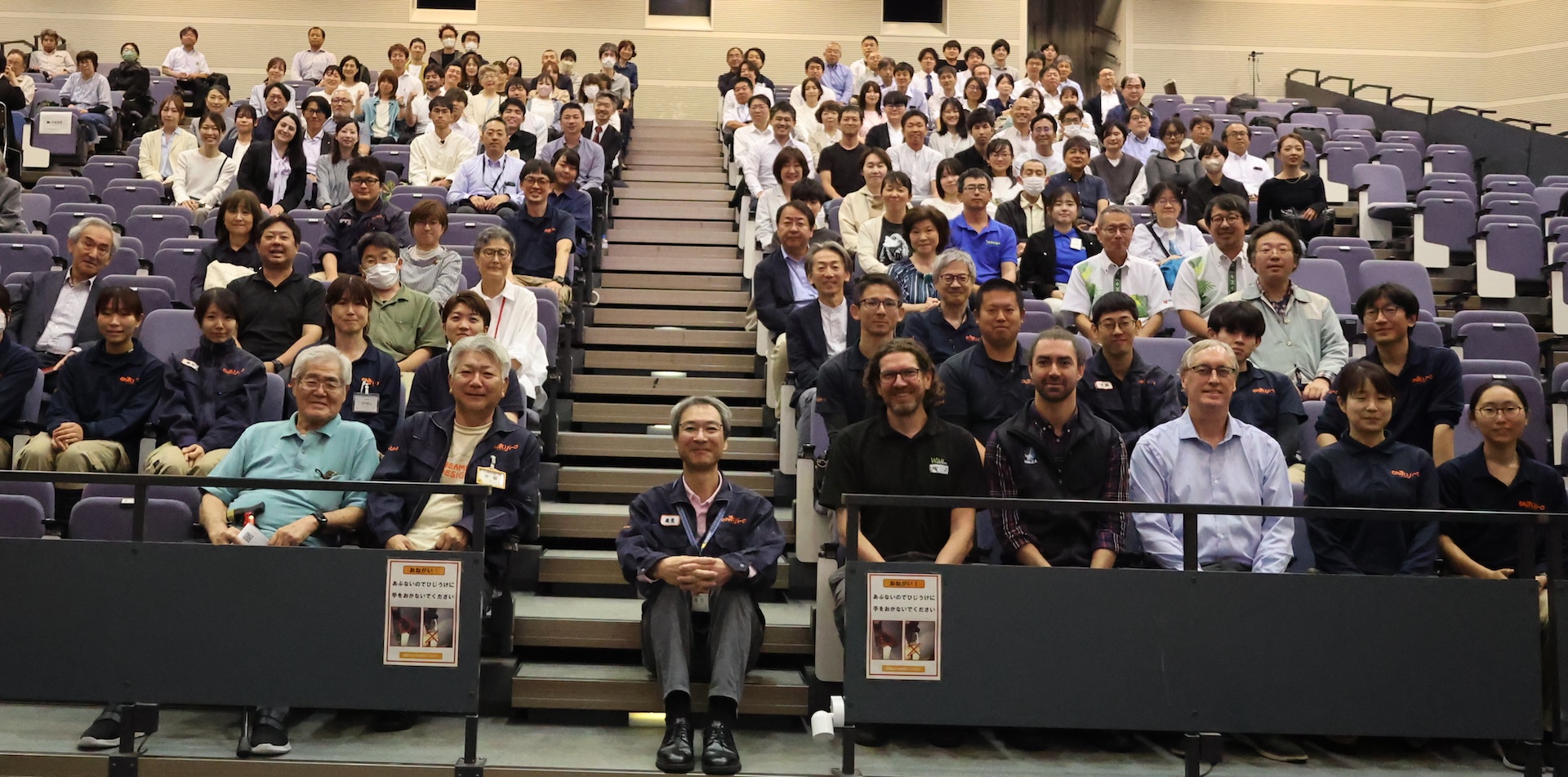
Following the conference, a seminar was held for approximately 100 JAZA member staff, including keepers, veterinarians, curators, and directors. Rob delivered a second presentation demonstrating how data and the Zoological Information Management System (ZIMS) directly support the goals of the new vision, particularly in animal welfare, population management, and conservation.
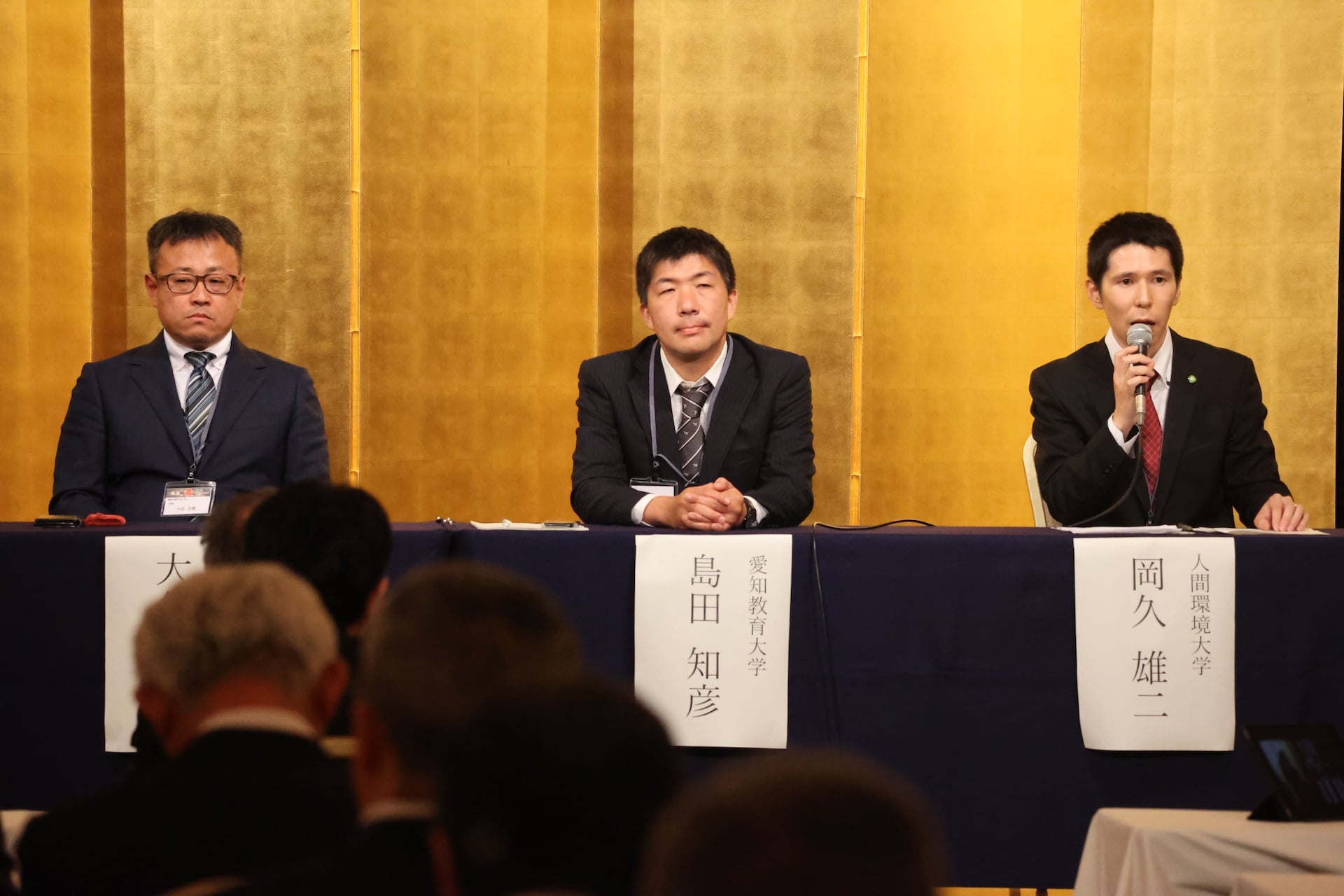
The event concluded with an engaging panel discussion and Q&A featuring WAZA CEO Dr. Martin Zordan, Wild Welfare Director, Simon Marsh, and Species360’s Rob Calcagni. The panel covered key topics such as the importance of meticulous record-keeping, the WAZA Animal Welfare Goal, and JAZA’s latest standards – all vital components for bringing the Future Vision 2025 to life.
Species360 would like to extend a special thanks to Species360 board member and director of Toyohashi Zoo, Dr. Kazutoshi Takami for inviting Species360 to attend and speak at the conference, as well as for his gracious support ahead of the conference.