Why Data Matters for Saving Species: Species360 and the Extinct in the Wild Action Partnership
- By Sandy Trautwein, Species360 Director of Conservation and Science
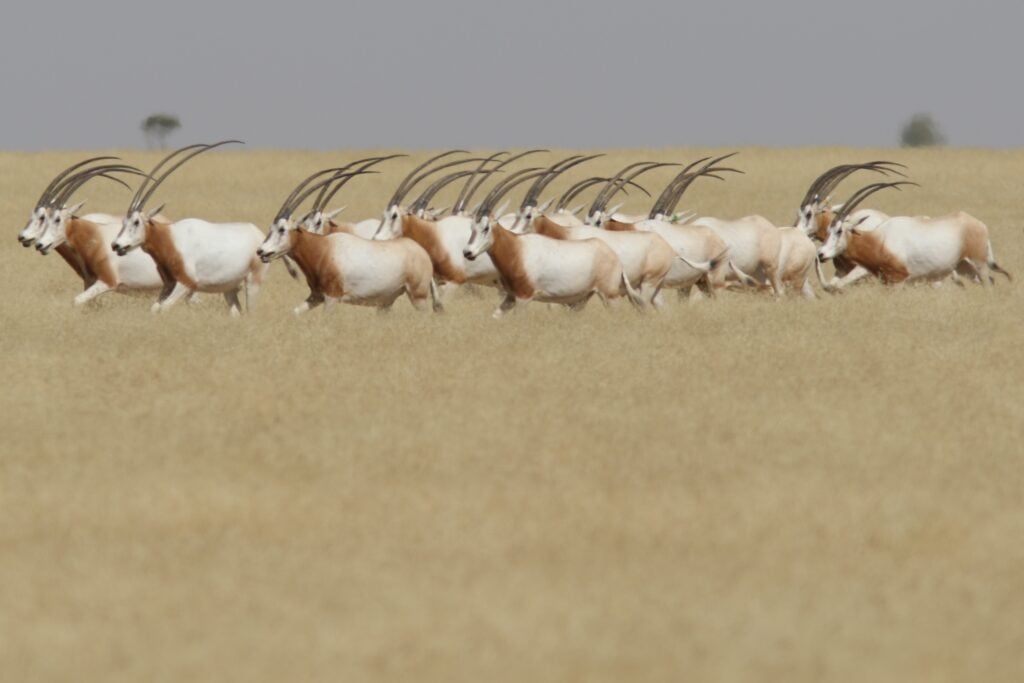
Over the past 50 years, the average size of monitored wildlife populations has shrunk by 73%, as measured by ZSL’s Living Planet Index (LPI).
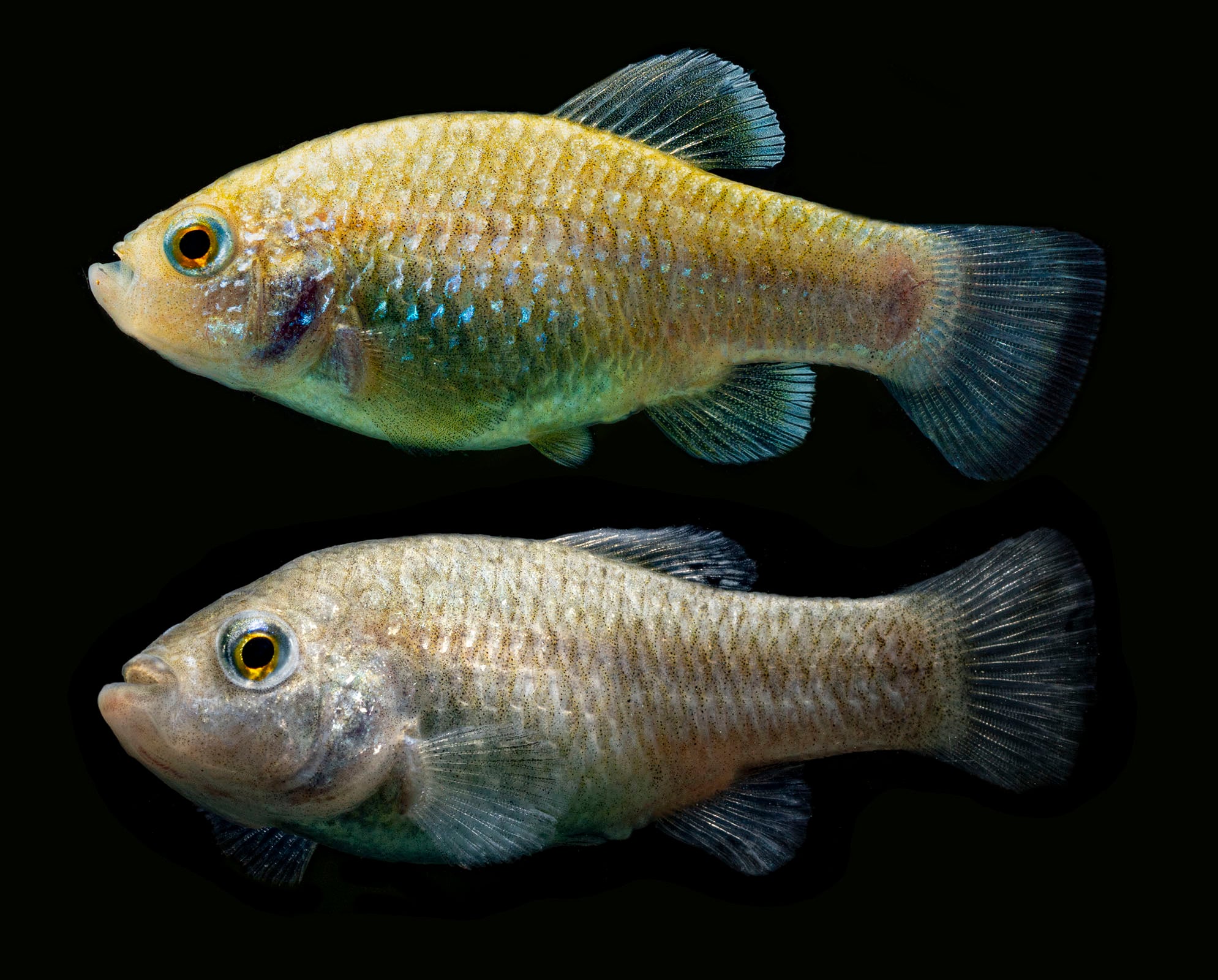
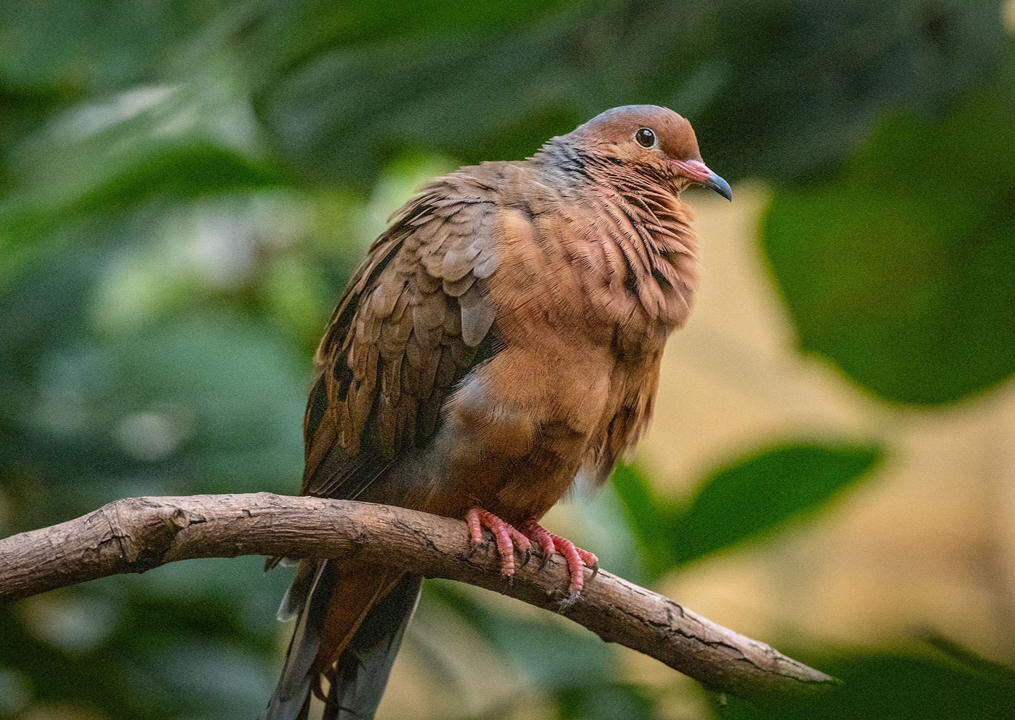
Around the world, a growing number of species now exist only because a zoo, aquarium, or conservation organisation continues to care for them, they are lost entirely from nature. These are the species formally listed by the IUCN Red List of Threatened Species as extinct in the wild (EW), taxa that survive exclusively in human care or in managed settings. For these species, the work of ex situ conservation institutions is critical to their survival.
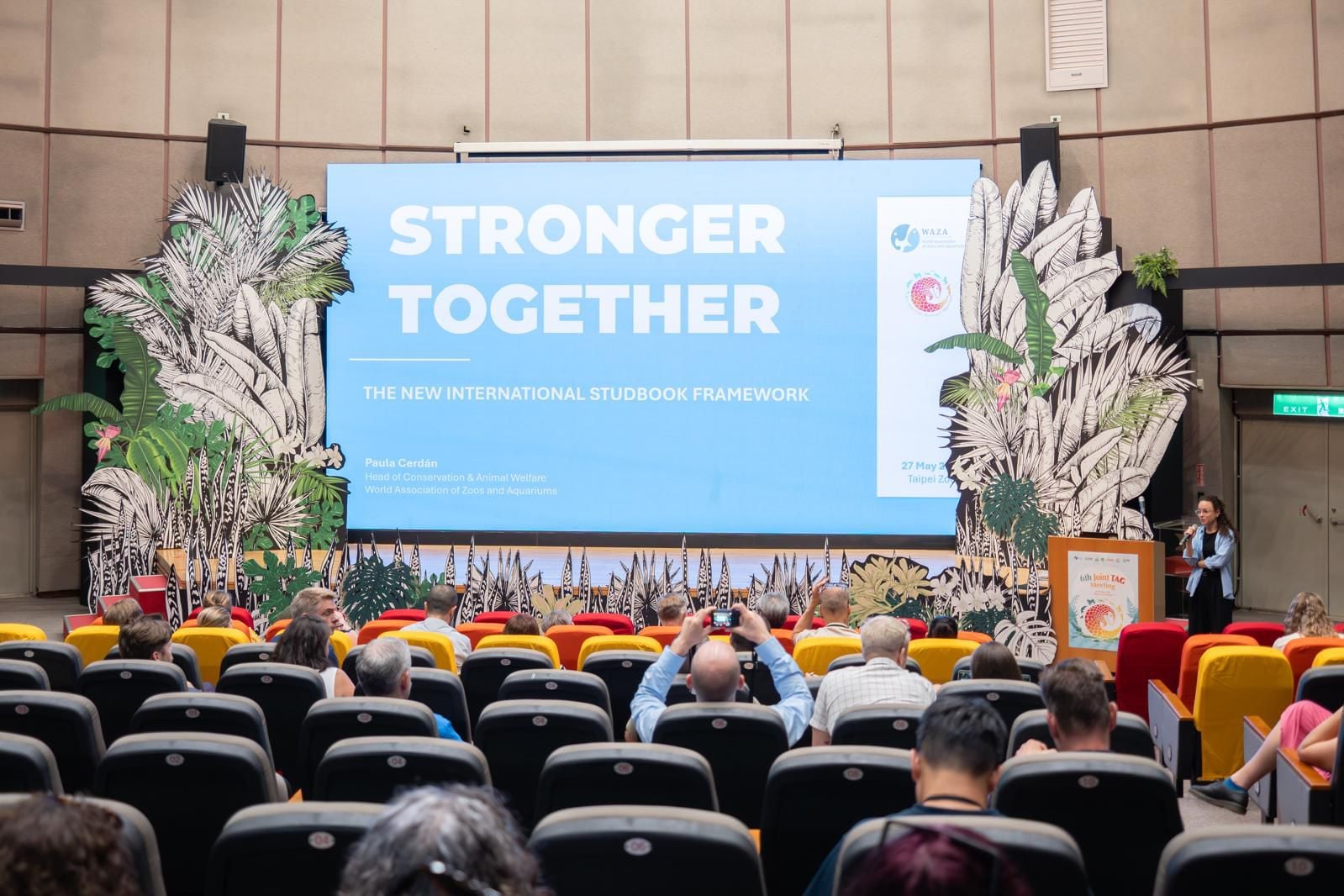
Species360’s mission is to provide the global zoological and conservation community with the data and analytics needed to make informed, evidence-based decisions that strengthen species survival. This mission drives our partnerships and is also why the Species360 Conservation Science Alliance (CSA) proudly provides financial and scientific support to the IUCN SSC Extinct in the Wild Action Partnership (EWAP).
Chaired by ZSL (Zoological Society of London), with an active steering group and a growing network of partners, EWAP is building a coordinated global framework to ensure that extinct in the wild species receive the long-term care, population security, and sustainable management they urgently need. The EWAP has the ultimate aim for no further extinct in the wild species to slip into extinction under our watch. Supporting EWAP is a direct expression of Species360’s mission: enabling species conservation through high-quality data, evidence-based analysis, and global collaboration.
Species360 contributes to EWAP in several ways:
- Providing data management platforms like the Species360 Zoological Information Management System (ZIMS) and population viability tools like the Species Conservation Toolkit Initiative’s (SCTI) PMx and Vortex that help identify gaps, risks, and opportunities for improving the management of EW species.
Providing demographic analytics to help conservation professionals understand the survival, reproduction, and long-term sustainability of extinct in the wild species. - Contributing to the genetic recovery of extinct in the wild species through biobanking and cryopreservation data management.
- Using our global network to promote the importance of record-keeping in accelerating progress in saving extinct in the wild species.
Fiona Sach, PhD Zoo Conservation Impact Manager, ZSL, said: “We are extremely grateful to the support of the Species 360 Conservation Science Alliance towards the Extinct in the Wild Alliance and ZSL’s work with this group of the world’s most endangered species. Many Species 360 Member Association zoos provide a lifeline of care to EW animals, revitalising their populations in zoos and aquariums worldwide. Their survival is in our hands.
“The CSA sponsorship is invaluable to the work of the EW Action Partnership, together our science driven organisations will give these species another chance, a life beyond extinction. With the support of the CSA we rescue and care for last survivors, and ultimately where appropriate release them back into safe wild habitat. Together we will fight for the recovery of every single one of these precious species.”
How Species360 members can help
In addition to caring for and breeding these species in your care, one of the most impactful actions that Species 360 member zoological institutions can take to support EW species is surprisingly simple: record data on the animals in your care.
Every birth, death, transfer, treatment, diet, enclosure change, and measurement you enter into ZIMS becomes part of a global scientific resource that researchers and conservation managers rely on to answer critical questions such as the number of individuals remaining under human care, their location for improved conservation collaboration, and sharing best practices for husbandry and managed breeding. Furthermore, biobanking samples and cryopreserving living cells and recording this data in ZIMS will help ensure the long-term population management of EW species.
Currently, Species360 members record data on 39 species listed as extinct in the wild. If your institution holds any species listed as extinct in the wild by the IUCN Red List, please ensure that your ZIMS data are up to date, complete, and shared. This is one of the most significant contributions zoos and aquariums can make to global species conservation.
Help Us Locate Potential Holders of Five Possibly Extinct Species
As part of our work with the Extinct in the Wild Action Partnership, we are seeking information from colleagues about potential remaining holders of the following species. Each has an uncertain future, and in some cases, their survival may depend on locating previously unknown populations under human care. If you know of any institution, university program, private collection, or regional facility holding any of these taxa, please reach out. We would love to hear from you.
- Oʻahu deceptor bush cricket (Leptogryllus deceptor)
Likely extinct. We are seeking any documented or anecdotal evidence of surviving individuals in research or conservation facilities. - Socorro isopod / Socorro sowbug (Thermosphaeroma thermophilum)
Historically managed by the University of New Mexico, the U.S. Fish and Wildlife Service, Albuquerque BioPark, and the Socorro Isopod Propagation Facility. If additional facilities hold this species, we would like to document them. - Dabry’s sturgeon / Yangtze sturgeon (Acipenser dabryanus)
There may be programs within China maintaining this critically important species. Any information on managed populations would be invaluable. - Black kokanee / kunimasu (Oncorhynchus kawamurae)
Repopulation efforts have occurred in Japan. We are seeking information on any continued ex situ programs or research holdings. - Aylacostoma stigmaticum
A likely extinct freshwater snail. An ex situ program was developed in the 1990s by the National University of Misiones and the Argentine Museum of Natural Sciences (MACN). We hope to identify whether any living individuals remain or whether related species persist in conservation programs.
Together, We Can Strengthen Stewardship for Extinct in the Wild Species
The survival of extinct in the wild species depends on a global network of institutions that care, collaborate, and share data. Species360 and the Conservation Science Alliance are committed to supporting this work through research, analytics, and partnerships like EWAP. But the most important contributions come from you – caretakers, curators, researchers, veterinarians, and conservation professionals who care for these species every day. By recording your data, maintaining complete ZIMS histories, and sharing information about potential species holders, you are helping secure the future of these irreplaceable species.
If you have information to share or would like to learn more about EWAP please contact us (sandy.trautwein@species360.org). Together, we can ensure that species surviving only in human care continue to have a future.
The survival of extinct in the wild species depends on a global network of institutions that care, collaborate, and share data. Species360 and the Conservation Science Alliance are committed to supporting this work through research, analytics, and partnerships like EWAP. But the most important contributions come from you – caretakers, curators, researchers, veterinarians, and conservation professionals who care for these species every day. By recording your data, maintaining complete ZIMS histories, and sharing information about potential species holders, you are helping secure the future of these irreplaceable species.
If you have information to share or would like to learn more about EWAP please contact us (sandy.trautwein@species360.org). Together, we can ensure that species surviving only in human care continue to have a future.