Species360 Welcomes WAZA’s International Studbook Framework
- By Gavrielle Kirk-Cohen
Last month, at the 6th Joint Taxon Advisory Group (TAG) meeting hosted by Taipei Zoo, the World Association of Zoos and Aquariums (WAZA) officially launched its new International Studbook (ISB) Framework, marking an important milestone for global population management and collaboration across regions.
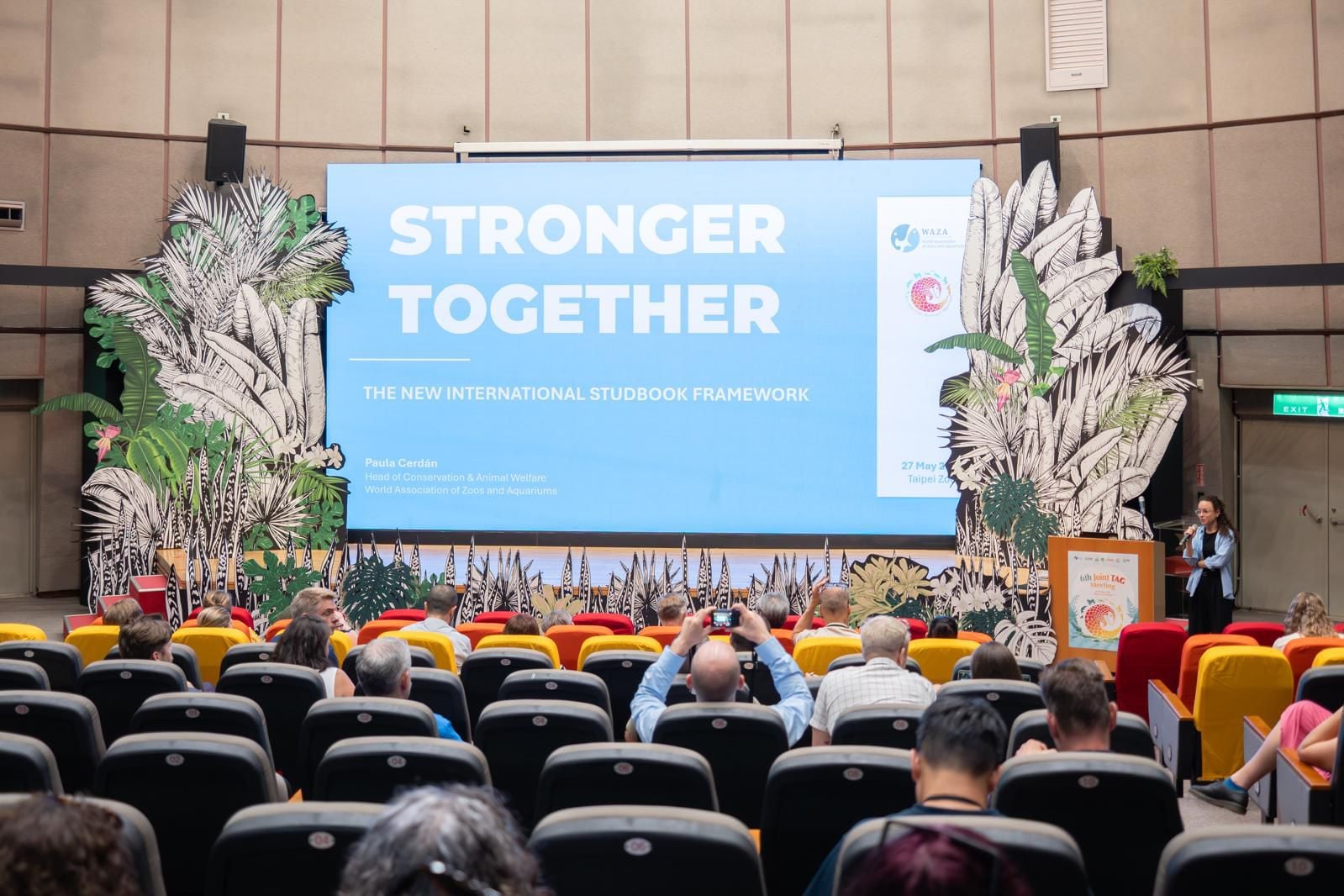
Developed over more than a year by a dedicated taskforce of the WAZA Committee for Population Management (CPM), the framework establishes a clearer and more coordinated approach to the management of International Studbooks across the global zoo and aquarium community, calling on institutions to work together through shared datasets to create a more effective system in support of species’ goals.
Species360’s Katelyn Mucha, Senior Product Owner of ZIMS for Studbooks, was part of the taskforce responsible for developing the new guidelines. She said: “What’s particularly exciting about this framework is that it reflects a growing recognition of the value of shared, high-quality data in population management. Seeing the global zoo and aquarium community align around the importance of integrated databases and collaborative data management is an important step forward for species conservation.”
Paula Cerdán, Head of Conservation and Animal Welfare, World Association of Zoos and Aquariums (WAZA), said: “The conservation of species is a global endeavor, and our data systems must reflect that reality. The new WAZA International Studbook Framework creates a foundation for a more connected, collaborative, and effective approach to species data management, one that enables knowledge sharing, aligns and supports efforts across regions, and ultimately strengthens conservation and population outcomes for species worldwide.”
The revised ISB framework introduces several important advancements, including the emphasis on shared global datasets that can support multiple regional programs simultaneously; stronger global coordination; clearer roles and responsibilities; and improved data governance and sustainability.
Collaborative data management
Collaborative data management helps optimize resources, reduce duplication of effort, improve data quality and strengthen coordination across regions. The framework recognizes that, within the current conservation landscape with increasing threats on wildlife, and in alignment with the Kunming Montreal Global Biodiversity Framework (KMGBF), a different and more integrative approach to conservation is required. The new framework supports this approach.
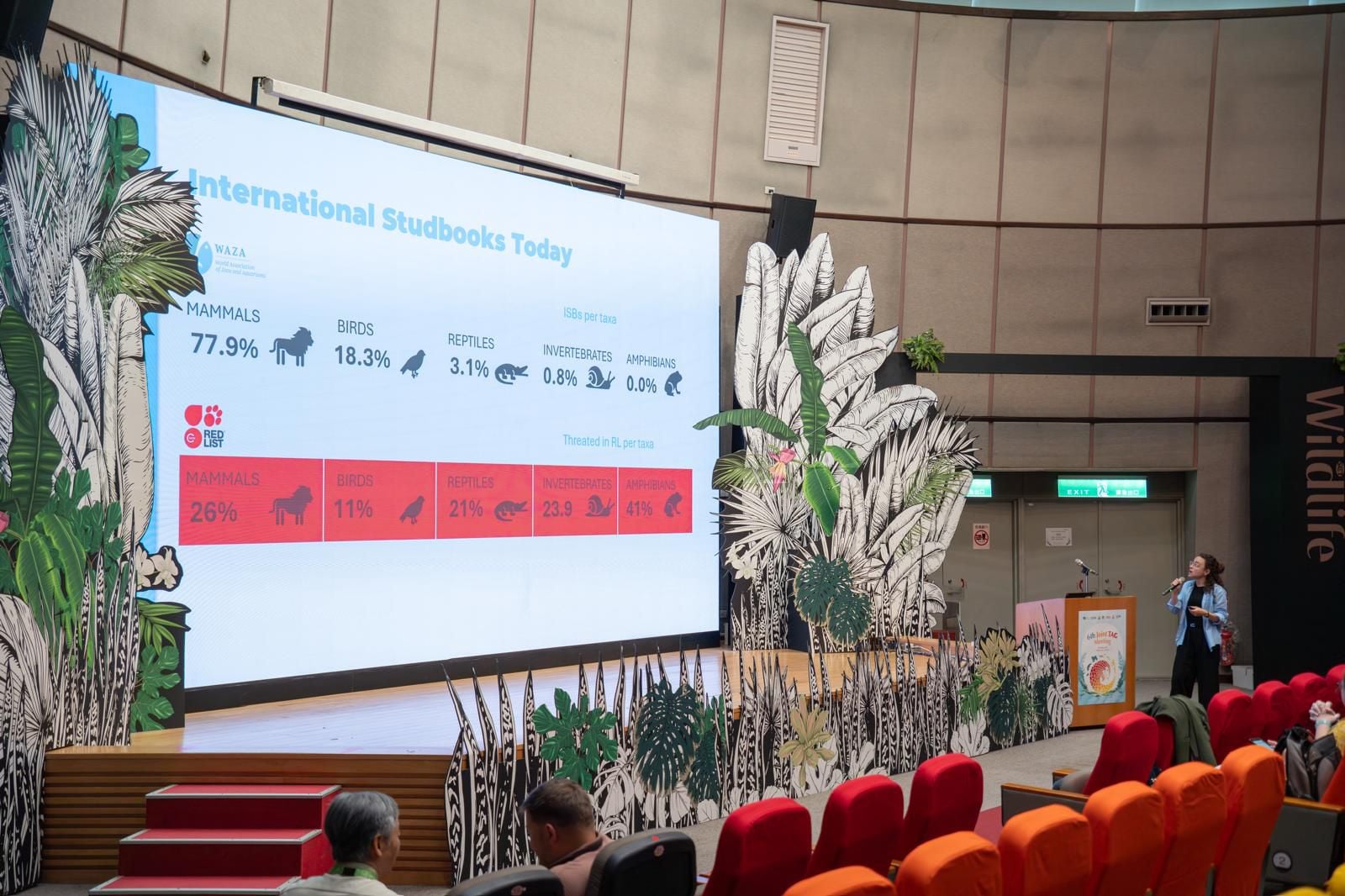
There are currently over 1,730 studbooks being managed in ZIMS, across international, regional, national and institutional levels, of which there are more than 130 active WAZA International Studbooks covering over 140 species and subspecies.
Studbooks are one of the most important tools in scientifically managing ex situ populations of wild animals, ensuring sufficient size, demographic stability and high levels of genetic diversity. International studbooks are kept under the auspices of WAZA and are overseen by the Committee for Population Management (CPM), in collaboration with Species360. They represent the highest level of global monitoring and management and provide a valuable service to the zoological community.
ZIMS for Studbooks is officially recommended by WAZA for managing international studbooks and supporting global species conservation and is explicitly named in the WAZA 2027 Population Management Goal.
Click the button below to read more about the framework.