Supporting Aquatic Care and Collaboration at the Greensboro Science Center
- By Taylor Johnson
At the Greensboro Science Center, animal care happens across a uniquely diverse campus. As one of only 15 institutions in the United States dually accredited by both the Association of Zoos and Aquariums (AZA) and the American Alliance of Museums (AAM), GSC brings together a zoo, an aquarium, and a museum under one mission: advancing education, conservation, and animal welfare.
For Aquatics Curator Sarah Halbrend, who has worked at GSC for seven years, managing that complexity depends on having reliable, centralized data, which is where the Species360 Zoological Information Management System (ZIMS) plays a key role in daily operations.
A Diverse Collection, One Integrated System
The Greensboro Science Center’s zoo spans approximately 22 acres and cares for a wide range of species, including Pygmy hippopotamus, Cassowary, Red panda, Fishing cat, Javan gibbon, and Sumatran tiger. The aquarium adds another layer of complexity, with a 36,000-square-foot facility featuring a 90,000-gallon Caribbean reef, African penguins, Asian small-clawed otters, and a diverse Amazon exhibit that includes fishes, Bolivian gray titi monkeys, Linnaeus’s two-toed sloth, and Caiman lizard.
Across these spaces, animals (and especially fish) move frequently. “I use ZIMS on a daily basis, primarily to log animal movements,” Sarah explains. “Our fish are constantly on the move, so keeping accurate, up-to-date records is essential.”
From Daily Records to Welfare Monitoring
At GSC, ZIMS supports far more than basic accession and disposition records. Sarah and her team use the platform to document welfare observations, record notes on individual animals, and maintain detailed operational data.
One area where ZIMS has been especially valuable is life-support system management. Using the Life Support System (LSS) module, the aquatics team tracks water quality data alongside routine and corrective maintenance for pumps, filtration systems, and other infrastructure that is critical to aquatic animal health. Having these records in one place makes it easier to spot trends, maintain consistency, and preserve long-term data without relying on paper logs.
Templates That Save Time (and Reduce Errors)
Among the ZIMS features GSC relies on most are weight templates. By creating templates organized by gallery and species group, keepers can enter weights for multiple animals at once rather than navigating individual records.
“The templates really streamline the process of data entry,” Sarah says. For a busy aquatics team managing large numbers of animals, this efficiency helps ensure that data is recorded consistently and on schedule.
Using Shared Data to Support Animal Care
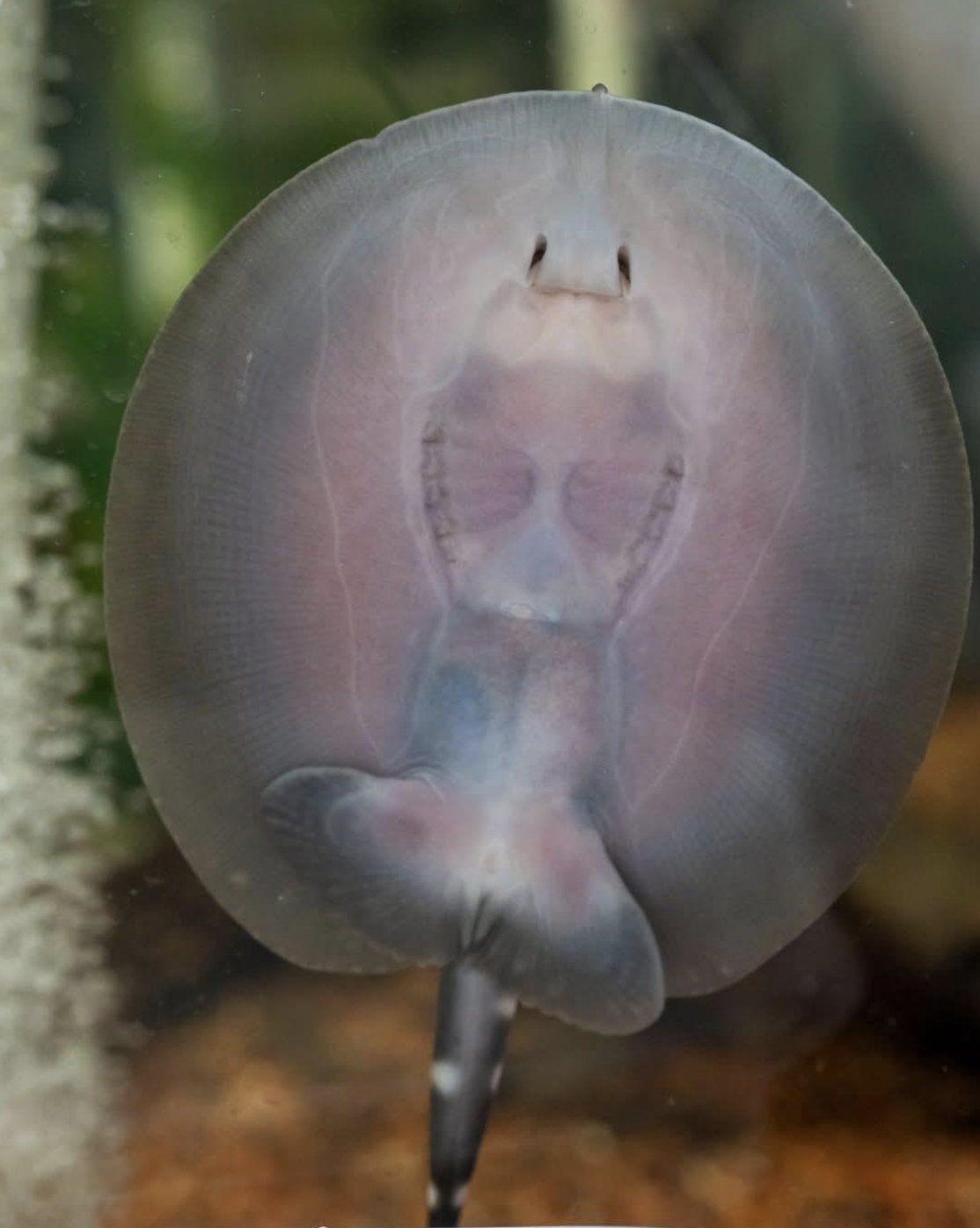
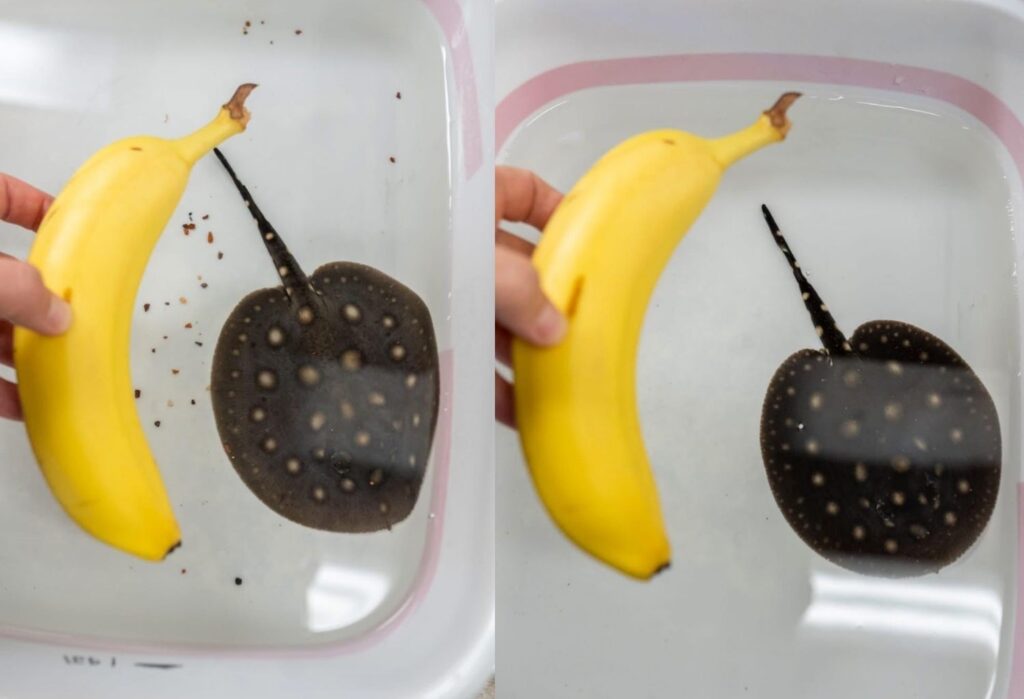
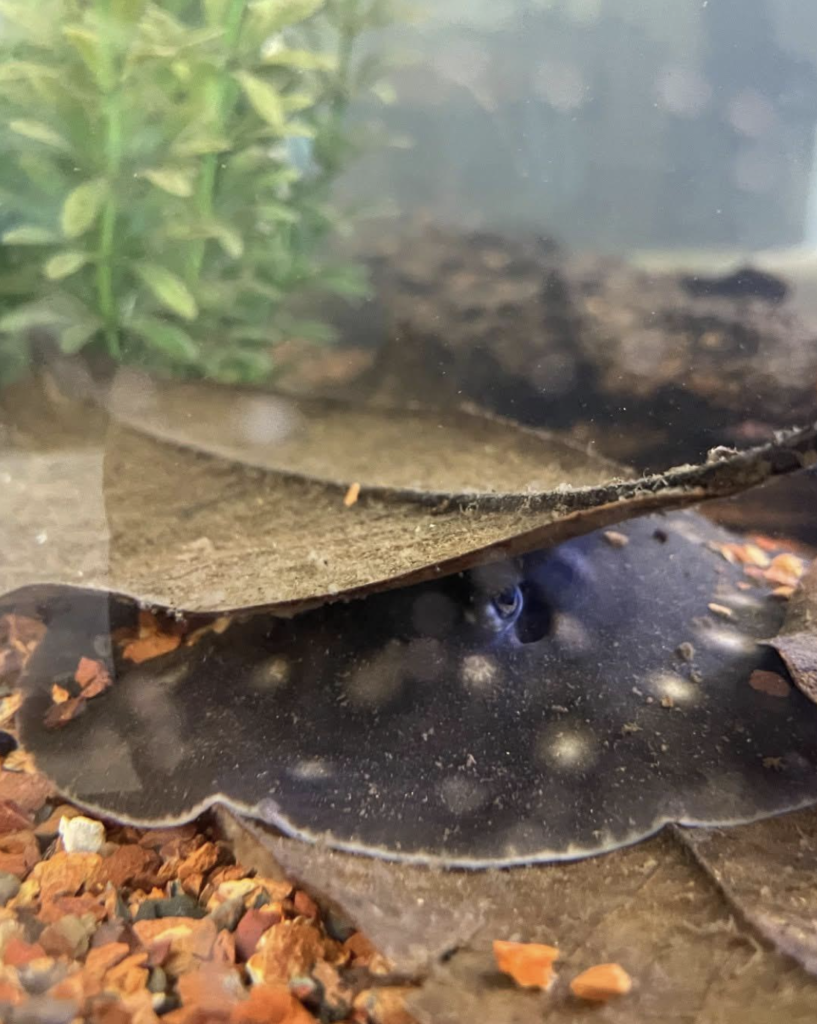
One moment where ZIMS data proved especially valuable came in 2022, when the Science Center welcomed its first white-blotched river ray pup.
Following a breeding recommendation from the White-blotched River Ray Species Survival Plan (SSP), GSC introduced female Papaya to male Hodor. Six months later, the pair produced a pup, the first ray birth for the institution! Early on, staff were concerned that the pup wasn’t gaining weight as quickly as expected.
By using ZIMS Global Resources to compare age and weight data across institutions, Sarah was able to confirm that the pup’s growth was consistent with other river ray pups. That broader context helped ease concerns and supported informed decision-making during a critical early life stage.
Supporting Smooth Transfers Through Shared Records
ZIMS also plays a central role when animals move between institutions. Once the Record Sharing function is activated, receiving teams can access detailed care histories, medical records, and individual notes before an animal arrives.
“Having that information in advance helps us prepare the most appropriate environment prior to arrival,” Sarah explains. “It allows for efficient pre-ship diagnostics and helps ease what can be a stressful transition for the animal.”
For the White-blotched river ray pup, this continuity will be essential if a future transfer occurs as part of the Species Survival Plan, helping ensure the ray experiences consistent care throughout its life, regardless of location.
A Central Home for Long-Term Data
Over the years, Sarah has seen ZIMS expand in both functionality and flexibility. For GSC, one of the biggest impacts has been the ability to move away from paper-based logs and consolidate information into a searchable, centralized system.
“ZIMS has allowed us to begin transitioning key records away from paper,” she says. “That creates greater longevity for our data and makes it far more accessible.”
Her advice to newer members reflects that shift: ZIMS isn’t just a system for tracking animal inventory. It can serve as a central repository for the many factors that influence animal care and welfare, from water quality to life-support maintenance.
At the Greensboro Science Center, that centralized approach helps teams stay connected, informed, and focused on what matters most: providing high-quality care for every animal, every day.