ZIMS in Research: Sterilization and contraception increase lifespan in mammals
- By Gavrielle Kirk-Cohen
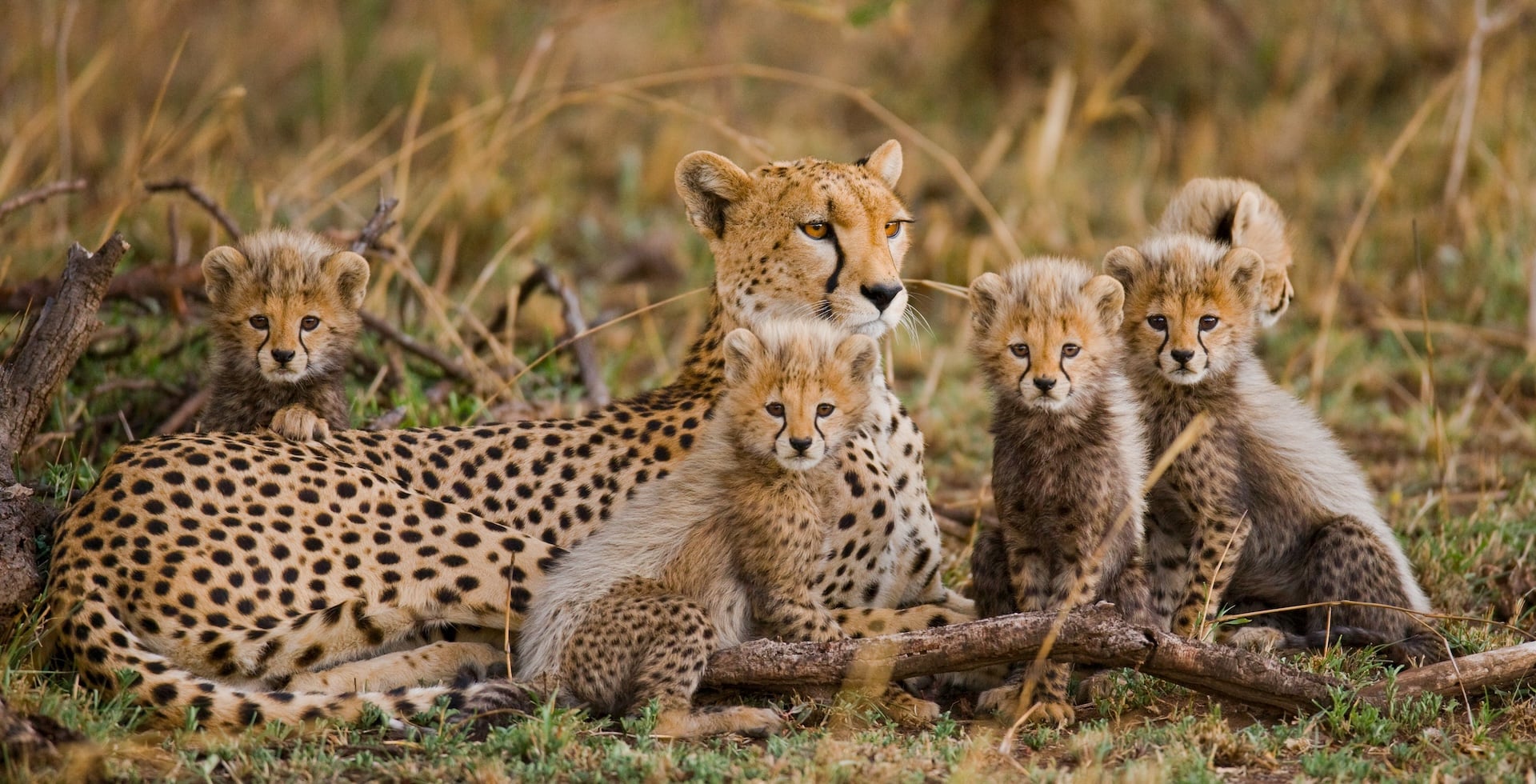
In zoos, animals are sometimes given ongoing hormonal contraception or permanent surgical sterilization to manage wildlife populations, maintain genetic diversity, manage animal behaviour or for health reasons. The study authors wanted to examine the broad survival benefits of contraception and sterilization methods on mammal species.
Using records from the world’s largest database of knowledge on animals in human care – the Species360 Zoological Information Management System (ZIMS) – authors analysed aggregated records for 117 mammal species, including primates, carnivores, even-toed ungulates, marsupials and rodents.
Across the species and sexes studied, authors found that suppressing reproduction through the use of contraception or sterilization is linked to an overall increase in adult life expectancy of 10.19%. While the increase in life expectancy was similar across the sexes, the cause is different in males and females. For females this is believed to be partly linked to the high energy demands of reproduction which can lower mothers’ immune-defence systems and thus make them more susceptible to dying from infection and infectious diseases. Whereas for males, blocking reproduction – largely via castration – also meant they were less likely to die from behavioural interactions involving aggressive or risk seeking behaviours.
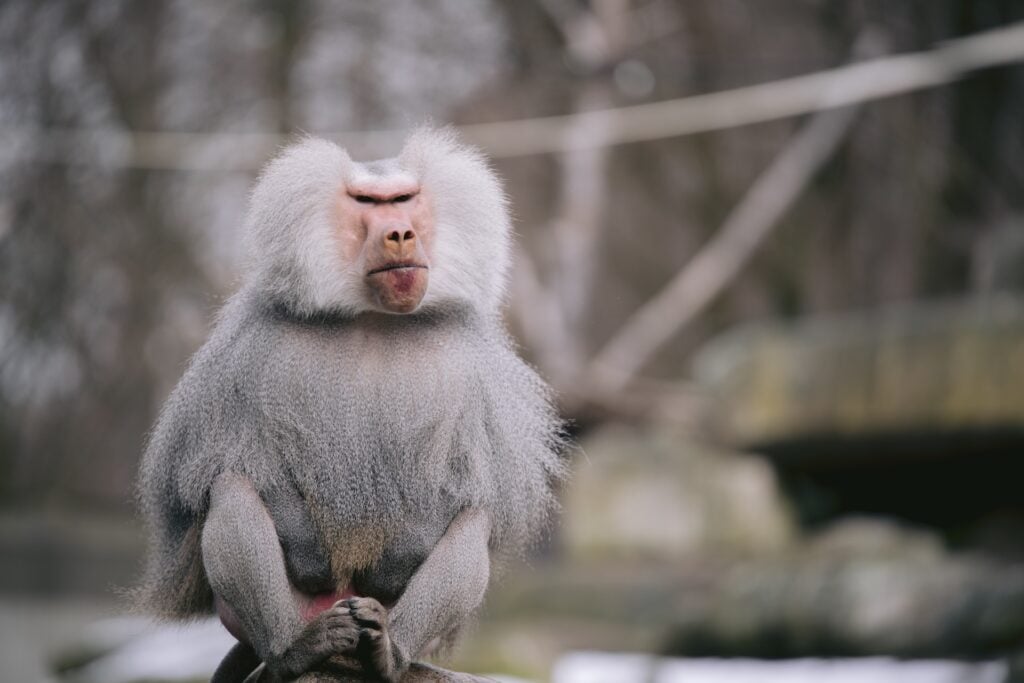
These results were even more pronounced for some species, such as female hamadryas baboons receiving hormonal contraception lived 29% longer lives, while castrated males lived 19% longer.
This study was conducted within a fundamental research framework to better understand the mechanisms underlying the variability in longevity among individuals, between sexes, and across mammal species. ZIMS data provided researchers with a unique opportunity to examine how reproduction investment and effort influence lifespan, including in situations where reproduction is suppressed (e.g., through sterilization or contraception). Therefore, the results should not be transferred directly as guidance for population management in ex situ environments.
Zoo records offer an unparalleled insight into how reproduction affects aging across the animal kingdom. The analysis reveals a consistent trend: male castration, female surgical sterilization, and ongoing hormonal contraception are all linked to longer lifespans in a wide variety of mammals.
Insights from the researchers
The study was led by the University of Otago – Ōtākou Whakaihu Waka, in New Zealand with contributions from authors worldwide, including Species360.
Prof. Fernando Colchero, of the Department of Primate Behavior and Evolution of the Max Planck Institute for Evolutionary Anthropology, and study co-author says lifespan is shaped by trade-offs with reproduction.
“Reproduction is inherently costly, although environments can soften or exaggerate these costs, particularly human environments, which can buffer or modify them thanks to healthcare, nutrition and social safety.”
Lead author Associate Professor Mike Garratt, of Otago’s School of Biomedical Sciences, says that while the relative increase in lifespan was similar across sexes, the cause may be different in males and females.
“In males, only castration extends lifespan – not vasectomy – which indicates that the effect comes from removing sex hormones. These hormones may interact with pathways that regulate the biology of ageing, particularly during early-life development, since early-life castration has the strongest effects on lifespan.
“In females, lifespan increases after several different forms of sterilisation, suggesting that benefits arise from reducing the substantial energetic and physiological costs of pregnancy, lactation and caring for offspring, rather than from a single hormonal mechanism,” he says.
Species360 Senior Product Owner, Nannette-Driver Ruiz, a co-author on the paper, said: “This research would not have been possible without the data contributed by our more than 1,400 members around the world. Their meticulous recordkeeping, aggregated into an anonymized dataset, has created a unique and vast resource that allows scientific researchers to answer fundamental questions about animal biology and welfare.”
This study was made possible thanks to the more than 1,400 Species360 members globally who collect and curate data on the animals in their care. Every single record contributes to creating a vast, global database of knowledge on wildlife.
Accessing ZIMS Data for Research
The study researchers used data from the Species360 Zoological Information Management System (ZIMS) which was obtained via a Species360 Research Request. They examined data on survival, since 2004, in species with a minimum sample size of 30 individuals per sex that had undergone either permanent surgical sterilization or had been exposed to hormonal contraception during their life course.
This study demonstrates the impact ZIMS ex situ wildlife data can have on enhancing species knowledge and furthering our understanding of human biology.
Data sharing is central to Species360’s mission, and for over 50 years, Species360 members have contributed data to ZIMS, making it the world’s largest database of animals in human care. The Species360 Conservation Science Alliance (CSA) serves as a platform for data science collaborations, aiming to maximize the positive impact of ZIMS data to improve animal care and welfare, support conservation efforts, and advance scientific research, all while ensuring the privacy of Species360 member data.
For more information on the Species360 Conservation Science Alliance (CSA) or obtaining ZIMS data for research, please visit the CSA website.